Australian Studies · Reflective Diary

Ten weeks,
ten entries,
one wide brown land.

A cultural diary and travel blog from my quarter abroad in Australia, from Sydney Harbour to the Great Barrier Reef, K’gari, Lamington and Minjerribah.

Scroll to begin

The route

  1. SydneyGadigal Country
  2. Blue MountainsKatoomba
  3. Heron IslandSouthern Great Barrier Reef
  4. K’gariButchulla Country
  5. LamingtonGondwana Rainforests
  6. MinjerribahQuandamooka Country
01

Introduction to Australia

Description

Australia is a beautiful and relatively newer country compared to the United States of America. Although Aboriginal and Indigenous Australians have been in Australia for the past ~65,000 years, the country of Australia was founded on January 1st, 1901, compared to July 4th, 1776. Native Americans in North America have been living on the land for roughly ~23,000 years.

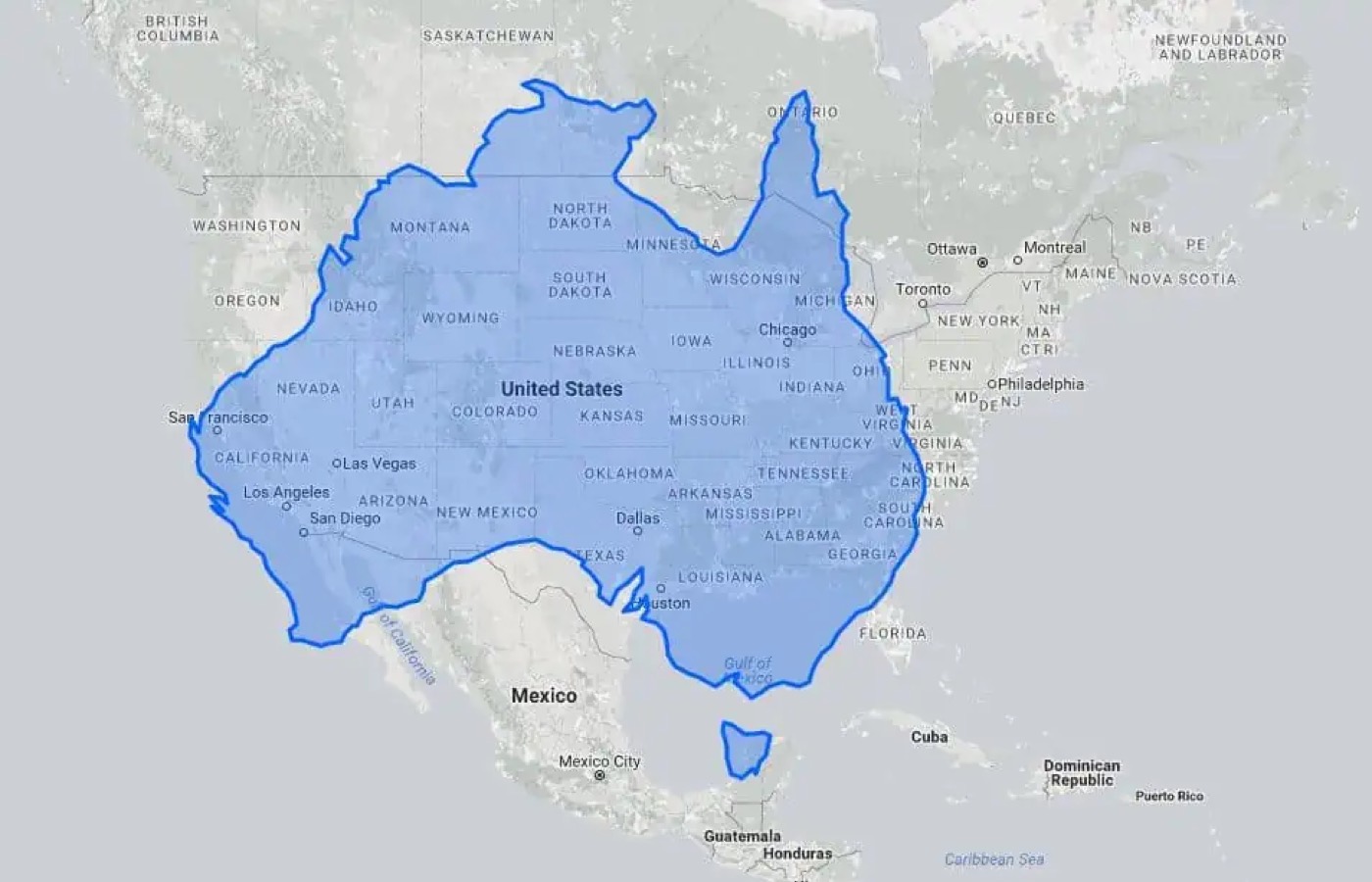
The size of Australia is very similar to the U.S.; being slightly larger is really intriguing, but once you account for the population of these two countries vast immensely. The population estimates from Dr. Jones’ lecture show vast differences in population size, with Australia being ~26 million compared to ~333 million in the U.S., roughly 1/10 the size of America.

The diversity of both countries is similar in both countries, with both countries having a lot of people coming from overseas and a lot of multiculturalism. Australia is one of the longest continuous cultures in the world, dating back to Indigenous Australians. The Aboriginal and Torres Strait Islander peoples are the two distinct cultural groups of Indigenous Australia. The Torres Strait Islander group comes from the Torres Strait Islands, which are between Northern Queensland, Australia, and Papua New Guinea. The Aboriginal people come from the mainland of Australia and Tasmania.
Founded1901vs. 1776 (U.S.)
Population26Mvs. ~333M (U.S.)
Continuous culture~65,000years

Personal reflection

My first time ever in Australia has been off to a great start. As we are about a week into our study abroad program, I have learned so much and keep asking myself questions about basic information about Australia and the history of this beautiful place.

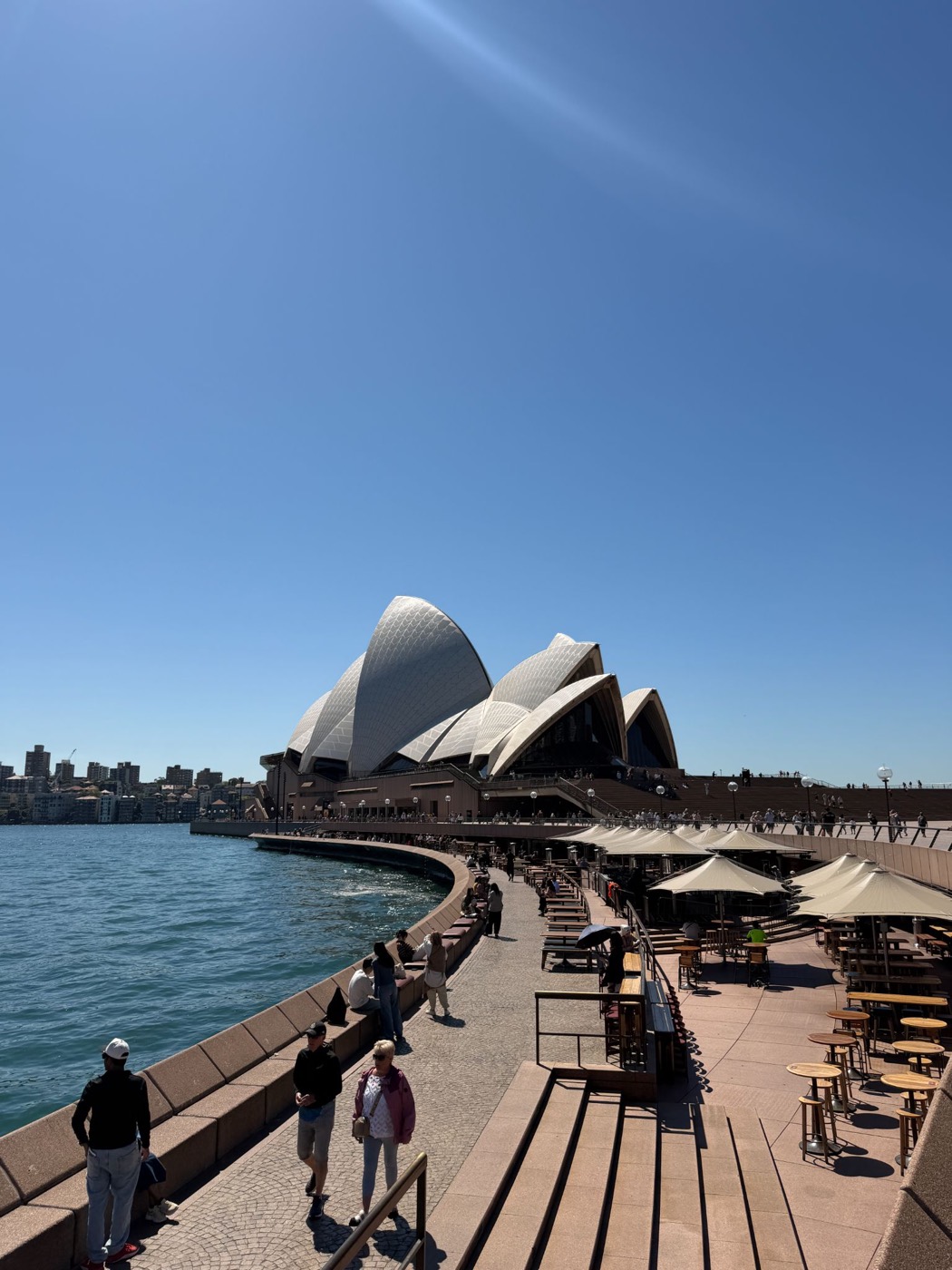
It was shocking to me on our first day of Australian Studies; I learned so much I never knew before and can see some resemblance to my home country, which is the United States of America. My first-ever thoughts of Australia go straight to the Sydney Opera House, which is an Australian staple. The gorgeous architecture of this building is a unique, one-of-a-kind performing arts venue that brings people from all over the world. It was super cool that we had the opportunity to go inside the Opera House and watch the play Houseworks. I had such an amazing time, and the play was super cool learning about the Westminster system and the monarchy.

I was shocked to learn about the introduction to Australia, learning about the landscape and population of Australia. I was not too surprised about the similar landmass for both countries, but I was shocked to learn that Australia’s population is about 1/10 of the U.S.’s population. For both countries being similar in size, it amazes me how vast the difference is in population.
02

Indigenous Australians and First Nations

Description

Indigenous First Nations people of Australia are one of the oldest continuous living cultures on our planet. Indigenous Australians have been on this land for ~65,000 years, with Australia only being 125 years old. This immense gap shows how much longer Indigenous Australians have been on this land than Australia officially became a country in 1901.

The meaning of “Country” holds significant meaning to Indigenous Australians. It embodies complex systems of law, kinship, and language. Country is not just the physical environment; Country holds law and knowledge. Country was created by Aboriginal people’s ancestors during the Dreamtime era; the Dreamtime was when laws were being created by Ancestor spirits. It tells people how to look after the country and the environment. Connection to country is crucial for Indigenous Australians because it is a sense of belonging and community.

Country has been taken away from Indigenous Australians through colonization, which has led to many years of suppression, relocation, and stripping away Indigenous identity. Colonization started from concepts such as the Doctrine of Discovery and Terra Nullius, which allowed European explorers to take over land that belonged to non-Christians. The term Terra Nullius means “land belonging to no one,” which incentivized Europeans to come find new land. The first history of colonization in Australia occurred on January 26, 1788, as British colonizers set out to take over modern-day Australia.

The aftermath of colonization has been a brutal and tragic history. Indigenous Australians lost their identity, land, and culture due to this dark history. The Frontier Wars were a long period when Indigenous Australians and the British were in battle for land and control. Many Indigenous people were murdered. The Stolen Generation is a direct continuation/byproduct of the Frontier Wars. The Stolen Generation was from the late 1800s to the 1970s, when many children were removed from families (many mixed race). Policies claimed that Indigenous Australians’ lives would be improved if assimilated into White Australian society. The history of colonization to this day has severe impacts on Indigenous Australians today.

Personal reflection

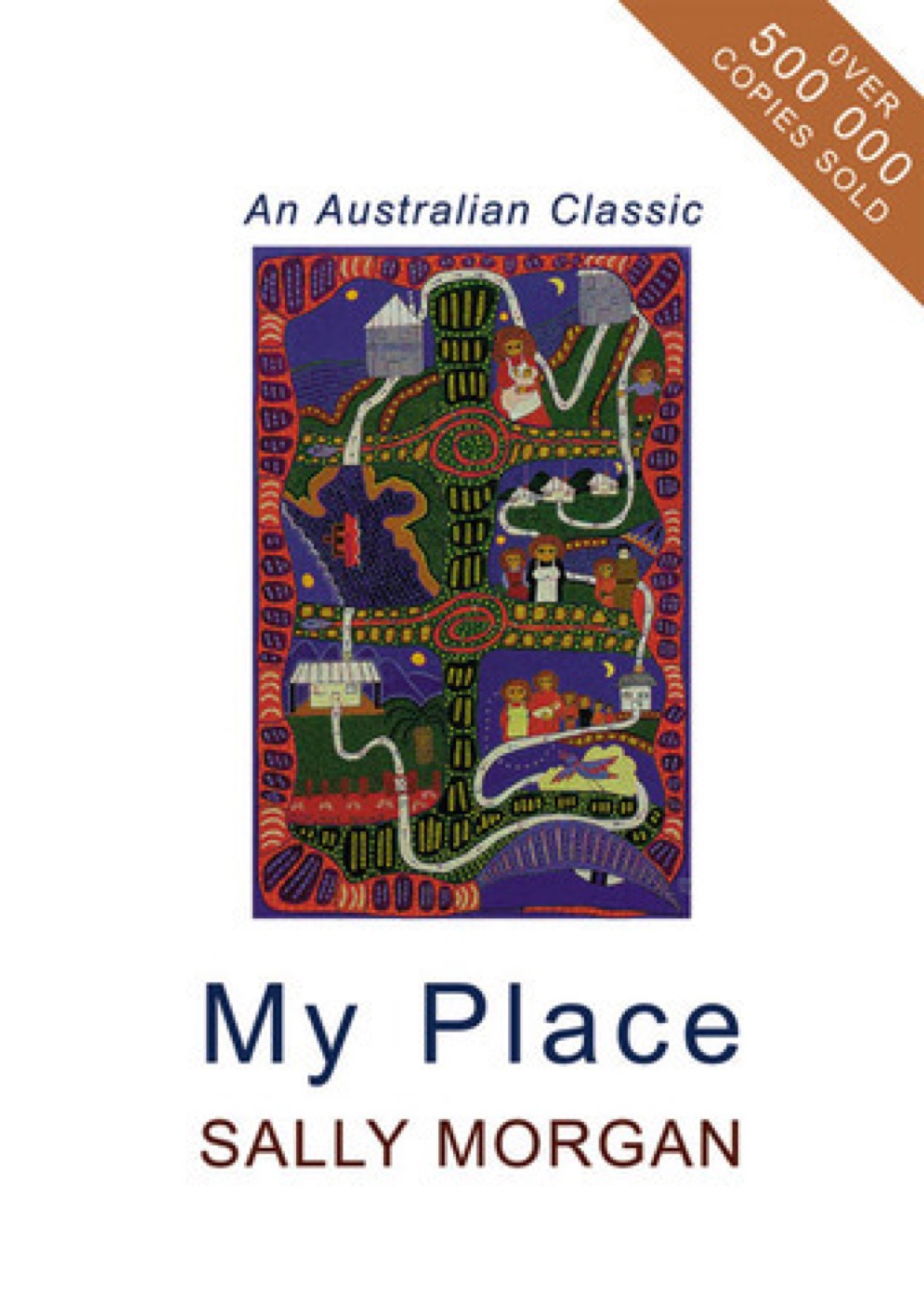
My first time learning/hearing about Indigenous Australians was in my 10th grade English high school class. One of our class readings for the school year was an autobiography, My Place by Sally Morgan. When first learning about Indigenous Australians and reading My Place, it was the first time in my life that I realized that there were more Indigenous people/groups beyond my home country, the U.S. It was so fascinating to me because my academics have been focused on an American-centric framework. I was so ignorant and never thought about other Indigenous communities across the world. Reading My Place made me more informed and educated about Indigenous Australians. I was able to learn about Sally Morgan’s childhood, and how her identity was kept hidden from her and her siblings, to a coming of age story, and Sally Morgan’s journey to discovering her identity. This autobiography sparked my interest in my IRP project on Indigenous Australians.

Taking Australian Studies has opened my eyes to an immense amount of knowledge. Learning about Australian government, daily life, lifestyles, colonization, and its deep history has opened my eyes and has made me think about how each country varies vastly. Specifically, learning about Indigenous Australians and the impact of colonization was very devastating to me, as I had a basic understanding of this dark history. The impacts of colonization have been seen across the world. In the U.S. and Australia, Indigenous people have been treated in similar circumstances, but also differently. Both Indigenous groups were forced off of their land, innocently murdered, and assimilated to fit the “white” lifestyle. The way white people of the U.S. and of Australia treated Indigenous people is exceptionally cruel. No individual should ever be innocently murdered, relocated, and assimilated.

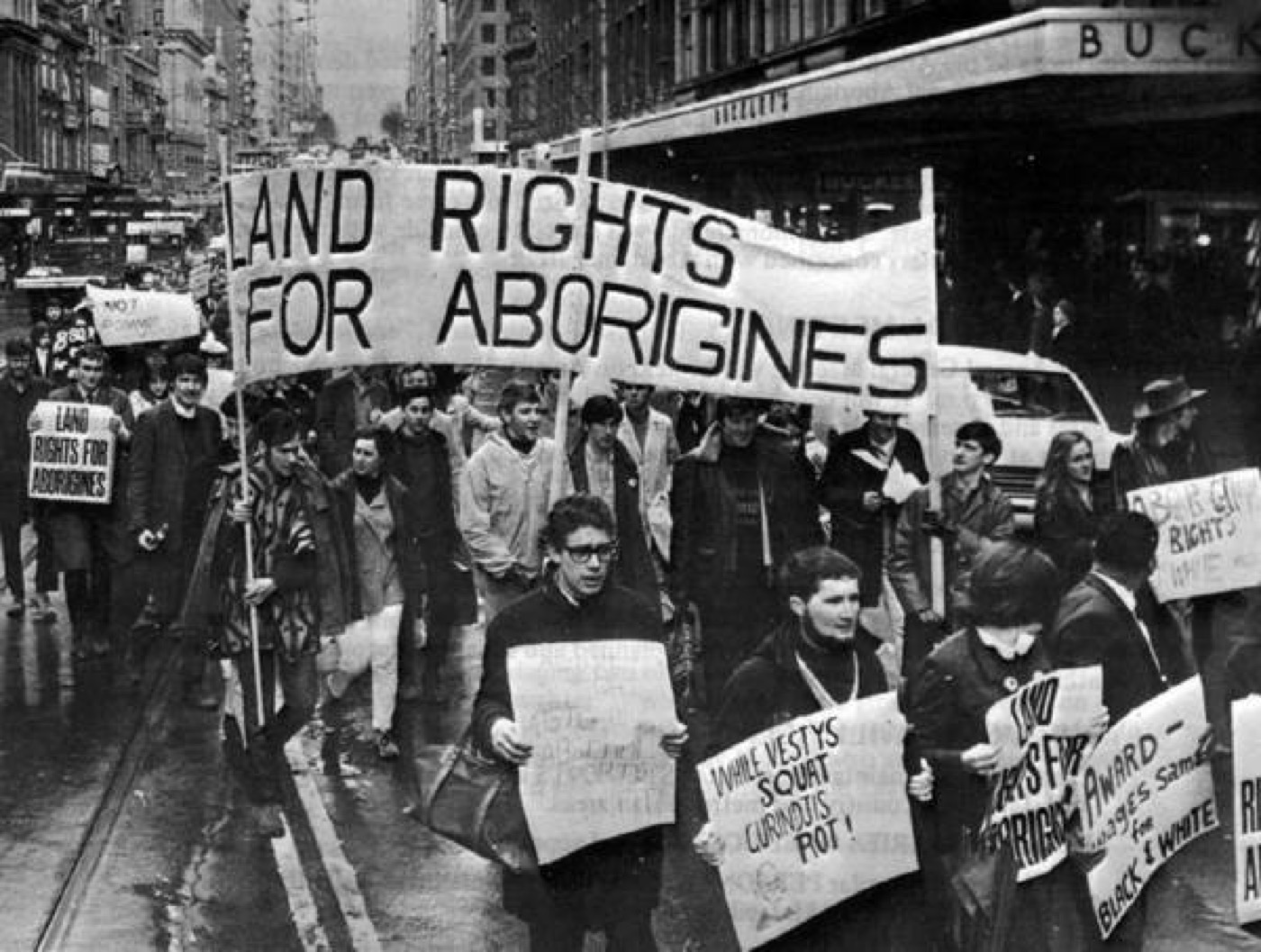
I hope to continue my studies and learn more about Indigenous activism in Australia. We must ensure that both the U.S. and Australia become more aware and progressive about all of the harm caused to Indigenous people. Apologies are not enough for the centuries of suppression of Indigenous people and First Nations.

03

Australia’s Love for the Water

Description

Australia is famous for its coastal lifestyle. As Dr. Jones noted in lecture, “about 87% of Australians live within 50 kilometers of the coast.” Whether they’re swimming, surfing, snorkeling, or scuba diving in the Great Barrier Reef, the world’s largest coral reef system, Australians build much of their lives around the water. Swimming and surfing both rank among the ten most popular sports in the country. With thousands of beaches along its shoreline, Australia gives no shortage of places to enjoy the ocean.

Bondi Beach is one of the most iconic beaches in the world. Visitors from all over the globe come to swim in its waves, lie on its soft sand, and take in the lively atmosphere. Just beyond the beach, the Bondi Icebergs ocean pool and the scenic Bondi coastal walk draw even more tourists. Bondi’s fame has also reached television through Bondi Rescue, a popular reality show that follows the beach’s lifeguards as they deal with tourists and locals, from dramatic and dangerous rescues to lighthearted moments that often end with a laugh.

Up and down the Australian coast, you’ll find surfboards, boats, seafood restaurants, and fishing supply shops, all signs of how closely daily life is tied to the ocean. Australia is the only country that covers an entire continent and is surrounded by water, and that ocean shapes its culture, economy, and identity. It’s a big part of what makes the country so beautiful.

87% of Australians live within 50 kilometers of the coast.

Personal reflection

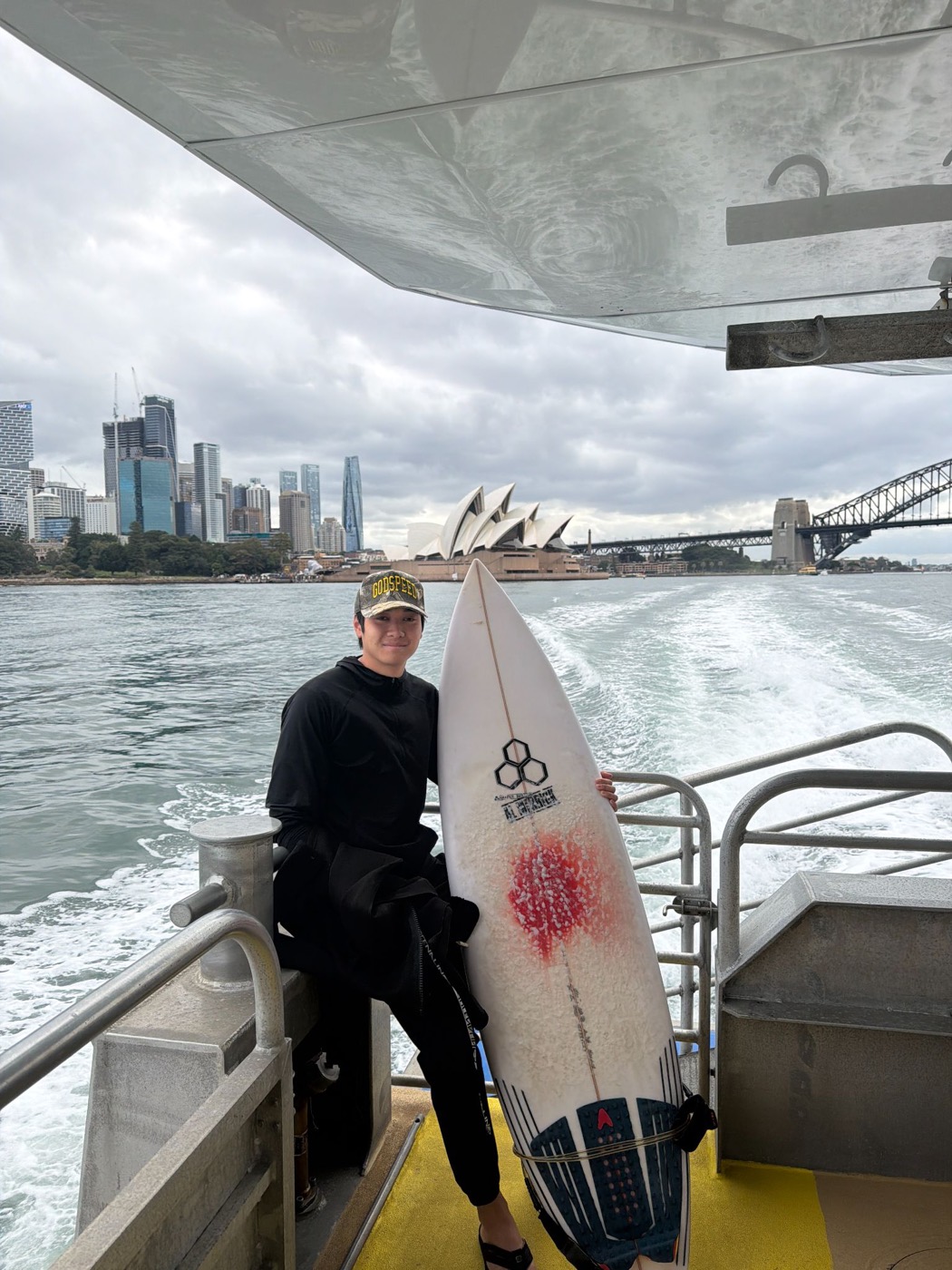
My first time learning about Australia was when I was around the age of six, when my auntie Pauline showed me pictures from her trip to Australia. She showed me pictures of the Sydney Opera House from a boat, pictures of the beach at Bondi, and the Great Barrier Reef. These three activities are things I have done already during my time abroad in Australia. It has been such a memorable and full-circle story for me to do the things that my aunt was showing me fifteen years ago, having no clue that I would have the opportunity to go abroad in Australia and experience these amazing stories.

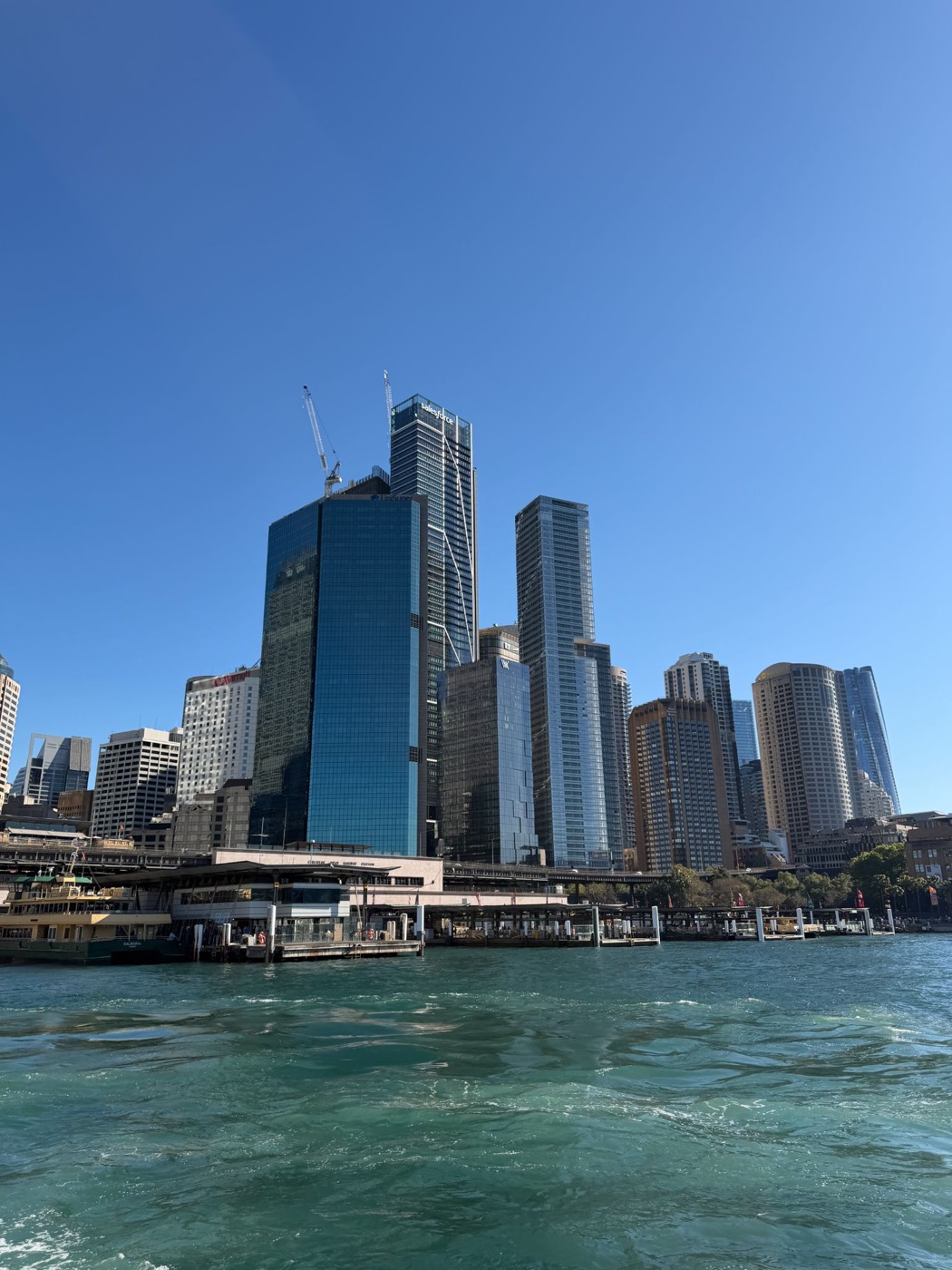
Starting in the beautiful coastal city of Sydney, we started our abroad program in the second-largest city in Australia. The downtown area is literally on the water with amazing views and a crowd-packed boardwalk. The Sydney Opera House lies in the center of Sydney Harbour, imitating the movement of water, boats, and the marine landscape. During my two weeks in Sydney, I was always amazed by how such a large city is right on the coastline.

Bondi and Manly Beach have been a hotspot for our cohort. These beaches bring joy, relaxation, and people together. Whether it is playing Spikeball, bumping the volleyball, or watching the sunset, the beach brings me so much joy. Being born and raised in San Diego, I had the fortune to be seven minutes away from the beach. I grew up going to the beach to boogie board, surf, and get thrown around by the waves. There is something so special about the ocean that I cannot fathom. Surfing in Australia has been a key highlight for me; being able to surf in another country and even another continent is such an extreme honor and privilege. Surfing for me is so calming and allows me to spend time by myself, have the time to reflect, and get away from my work.

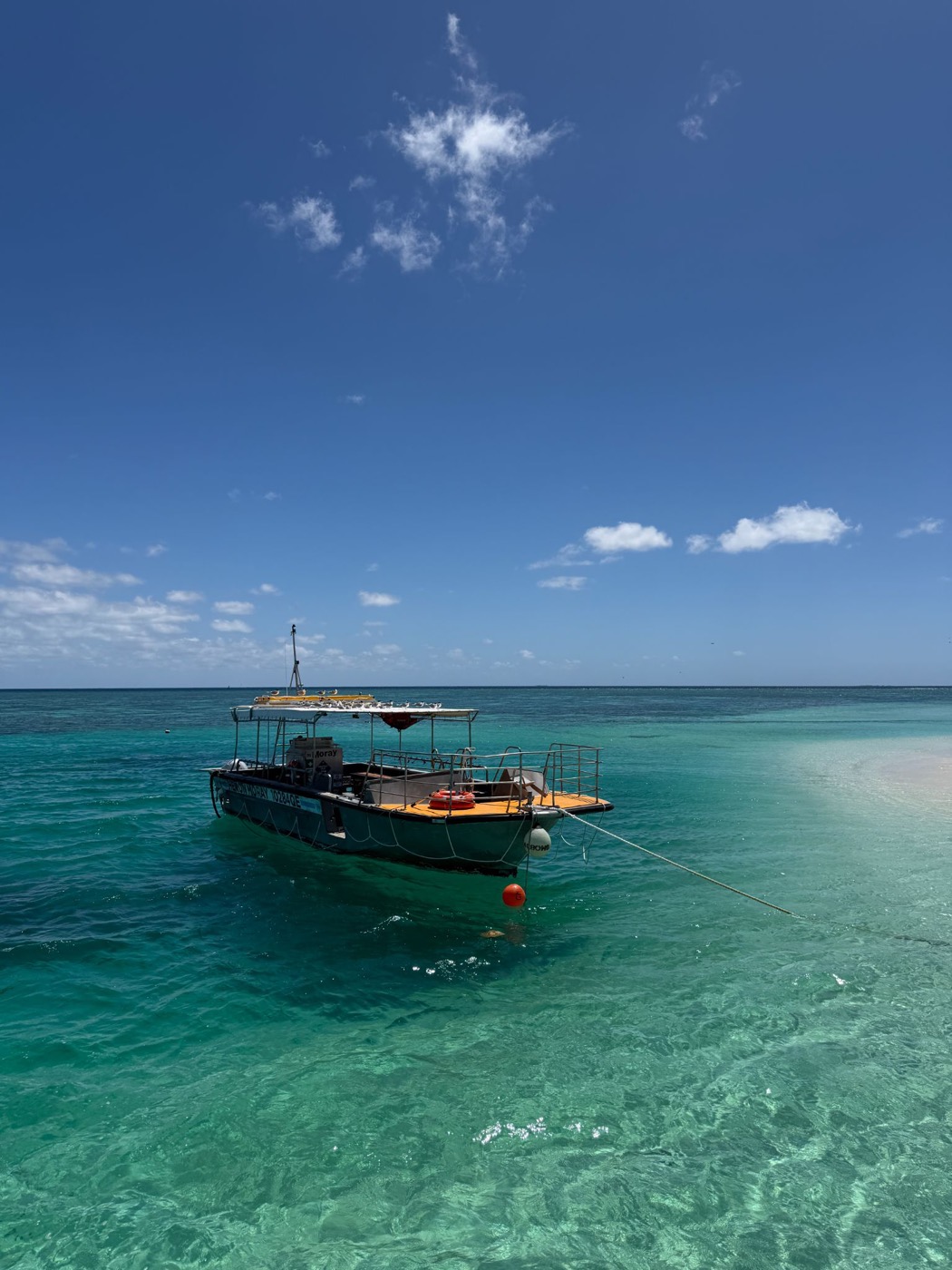
Our cohort’s time on Heron Island was one of the most breathtaking experiences of my life, and probably one I’ll never top. The Great Barrier Reef had always been on my list of places to see in person, and getting there felt like a dream come true. Heron Island sits at the southern end of the reef, far from the mainland, and it often felt like we had the whole world to ourselves. Staying at one of the few research stations on the Great Barrier Reef was a privilege I still find hard to believe.

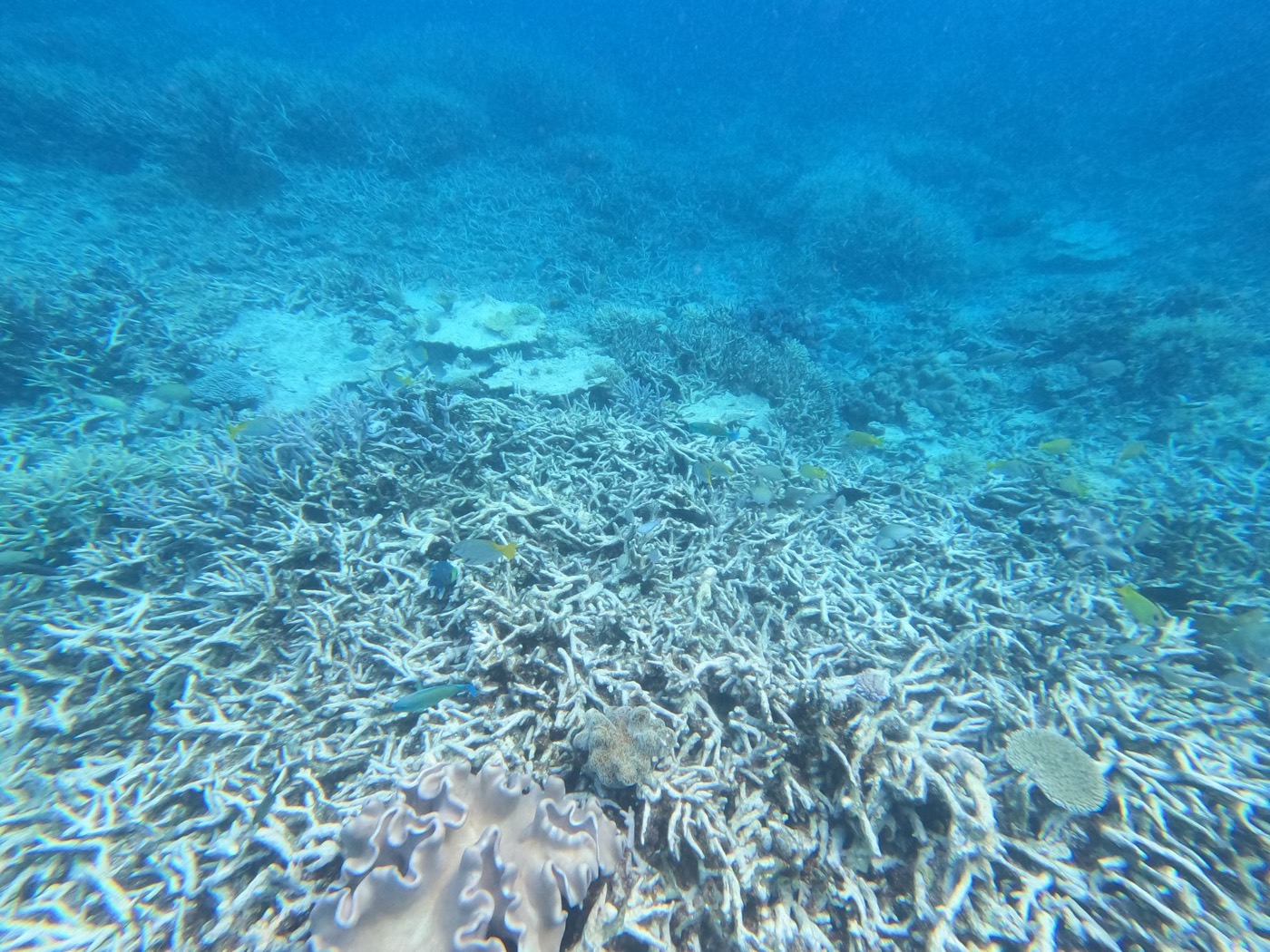
Nothing compared to the moment I first put my face in the water. Above the surface, the ocean looked calm and blue. Below it was a whole world I had only seen in documentaries. Coral stretched out in every direction, in shapes and colors I didn’t know existed, and schools of fish moved around me as if I were just another part of the reef. The only sounds were my own breathing and the water. In that moment, I understood why so many people dedicate their lives to studying and protecting coral.

Being on the reef also showed me how much water means to Australia. Australia is the driest inhabited continent on Earth, so it makes sense that its people have gathered along the coast, where the ocean gives them food, work, recreation, and a way of life. The Great Barrier Reef alone brings in billions of dollars in tourism every year and supports tens of thousands of jobs. It also protects the coastline and is home to thousands of marine species. For Australians, water isn’t just something to enjoy on the weekend. It’s tied to their economy, their culture, and their identity. Seeing the reef up close made that real for me. It stopped being a famous landmark and became something alive and fragile that a whole country depends on.

04

Convict Transportation and Hyde Park Barracks

Description

British colonization of Australia was justified by European ideas like the Doctrine of Discovery and terra nullius, the claim that the land belonged to no one. Dutch sailors first discovered the land of Australia in 1606, but the Dutch showed little interest in the land. After James Cook landed on the east coast in 1770, Britain claimed the land. This ignored more than 65,000 years of Aboriginal connection to Country.

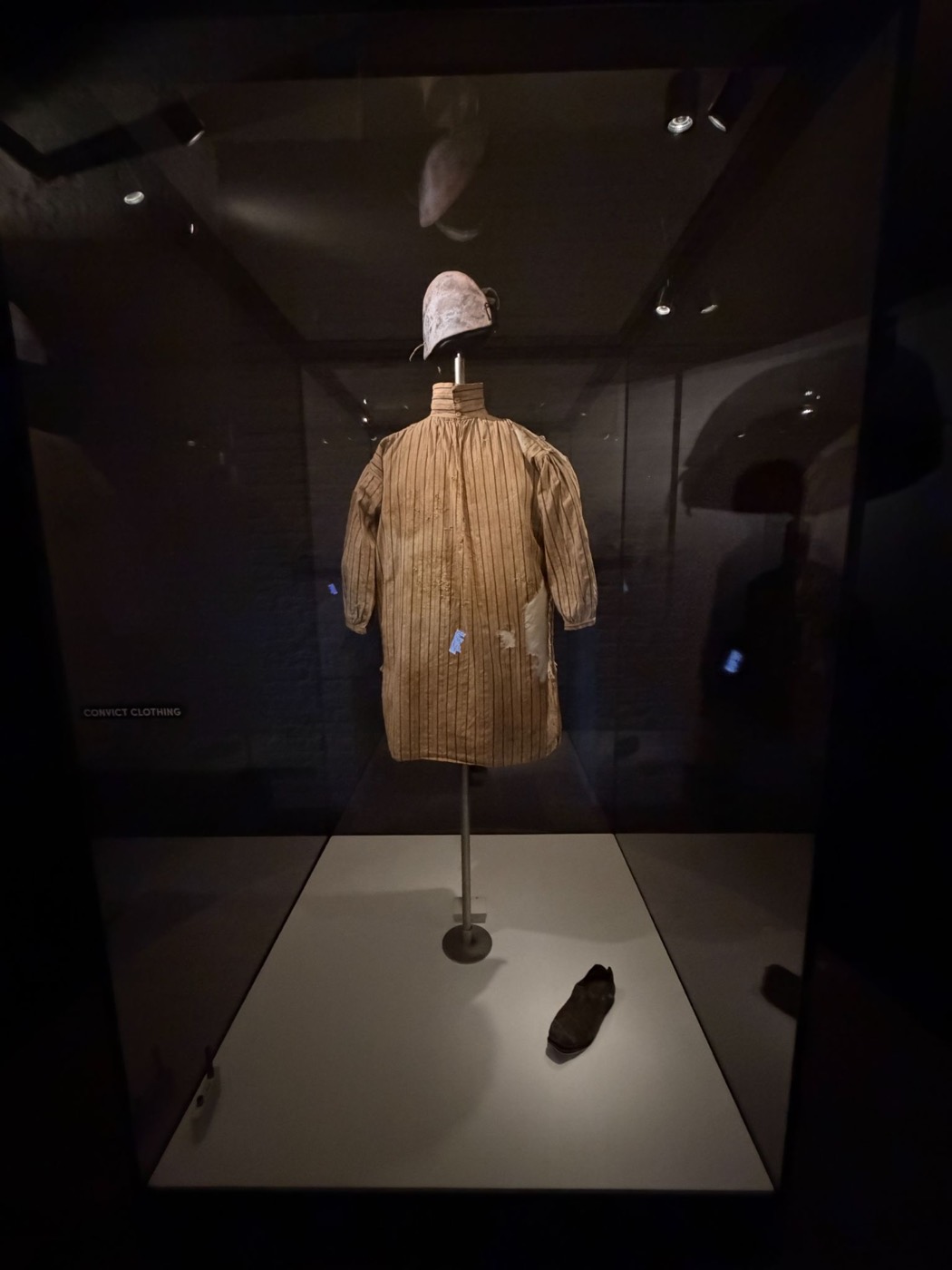
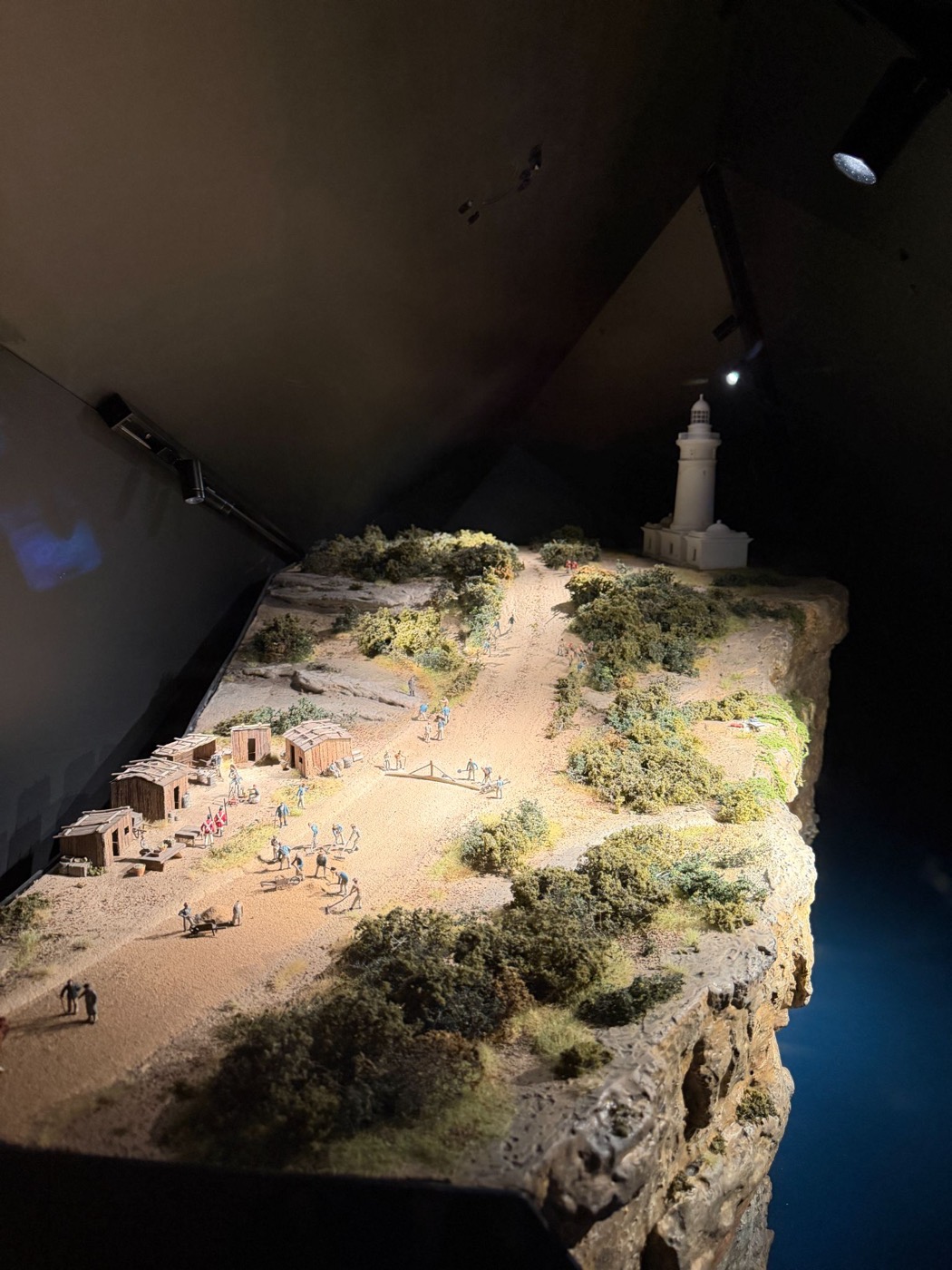
On January 26, 1788, the First Fleet of 11 ships arrived under Captain Arthur Phillip. It carried about 1,400 people, roughly 750 of them convicts. Britain’s prisons and prison hulks were overcrowded after the Industrial Revolution, and even petty theft could get someone transported. By 1868, about 170,000 convicts had been sent to Australia to take over and manage the land. Sydney’s Hyde Park Barracks, built in 1817–1819, housed thousands of male convicts who did government labor. Today it is a UNESCO World Heritage site.

Aboriginal people were controlled through frontier violence such as the 1838 Myall Creek Massacre, through diseases like smallpox, and from the 1870s through missions and reserves. Protection Acts decided where they could live and work and whom they could marry, and they led to the Stolen Generations. Terra nullius was not overturned until the Mabo decision in 1992.

  1. 1606Dutch sailors reach Australia
  2. 1770James Cook lands on the east coast
  3. 1788The First Fleet arrives, January 26
  4. 1817–19Hyde Park Barracks built
  5. 1838Myall Creek Massacre
  6. 1868~170,000 convicts transported
  7. 1992Mabo decision overturns terra nullius

Personal reflection

Learning about colonization in Australia made me think about my own country. Colonialism was not a one-off event. It was a global system in which European powers used ideas like the Doctrine of Discovery to claim land that Indigenous peoples had lived on for thousands of years. Australia and the United States are both products of colonialism. Before the American Revolution, Britain transported about 50,000 convicts to its American colonies. After independence in 1776, it could no longer send them there, which is one reason it turned to Australia.

The ways Indigenous peoples were controlled also look similar. Aboriginal people were pushed onto missions and reserves, and Native Americans were forced onto reservations, most infamously along the Trail of Tears. Australia’s Stolen Generations remind me of America’s Native boarding schools, which also took children from their families to assimilate them. One difference stood out to me. The U.S. signed treaties with Native nations, even though many were broken, while Australia never signed any. That is part of why the Uluru Statement’s call for Voice, Treaty and Truth still matters today.

Visiting Hyde Park Barracks brought all of this to life, and it felt surreal. It sits in the middle of current-day Sydney, surrounded by the modern city with high-rise towers and office buildings, yet inside it felt like stepping back two hundred years. Standing among the rows of hammocks, I pictured men crammed together after a day of forced labor, many of them sent across the world for stealing or petty crimes. It was emotional to feel their hardship while also remembering that their arrival began the loss of land and identity for Aboriginal people. The visit showed me that both countries are still learning to tell the truth about how they began and what terrible atrocities occurred.

During the last part of the visit, I spent some time in the last room where it had three screens displaying descendants of the convicts talking about their ancestors and how to this day that convict transportation changed their lives. Hearing all of the descendants talk made me very emotional; many of the people were not able to meet their related convicts, and were able to feel the pain and witness what daily life looked like.

05

Fitness Activities

Description

Fitness is prominent in everyday life in Australia, especially along the coast. Early in the morning, the paths and sidewalks along the beachfront are already filled with walkers, runners, cyclists, and surfers, and outdoor gyms and ocean pools are open for anyone to use. The warm weather, the beaches and a culture that values the outdoors make being active feel social rather than a task.

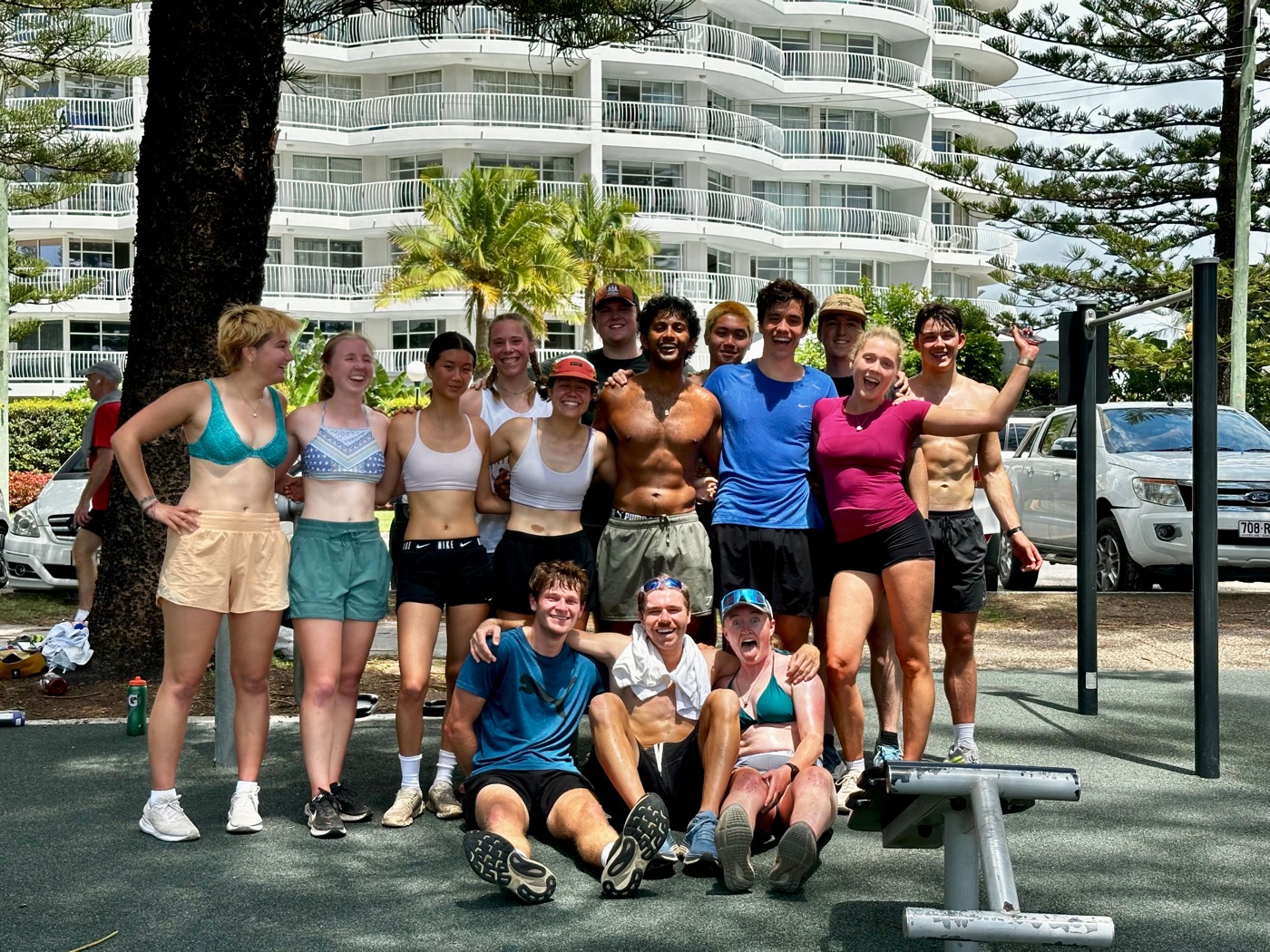
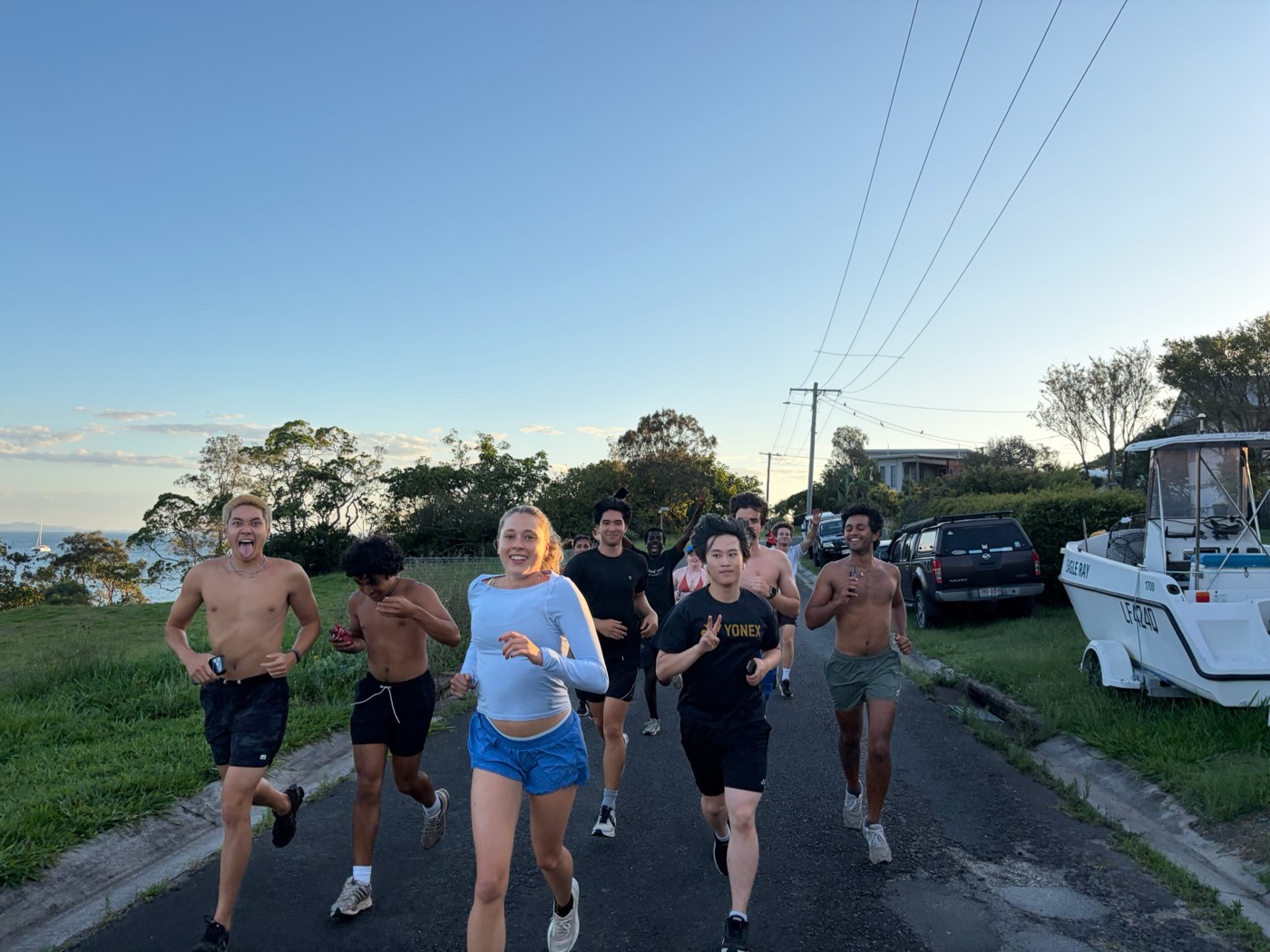
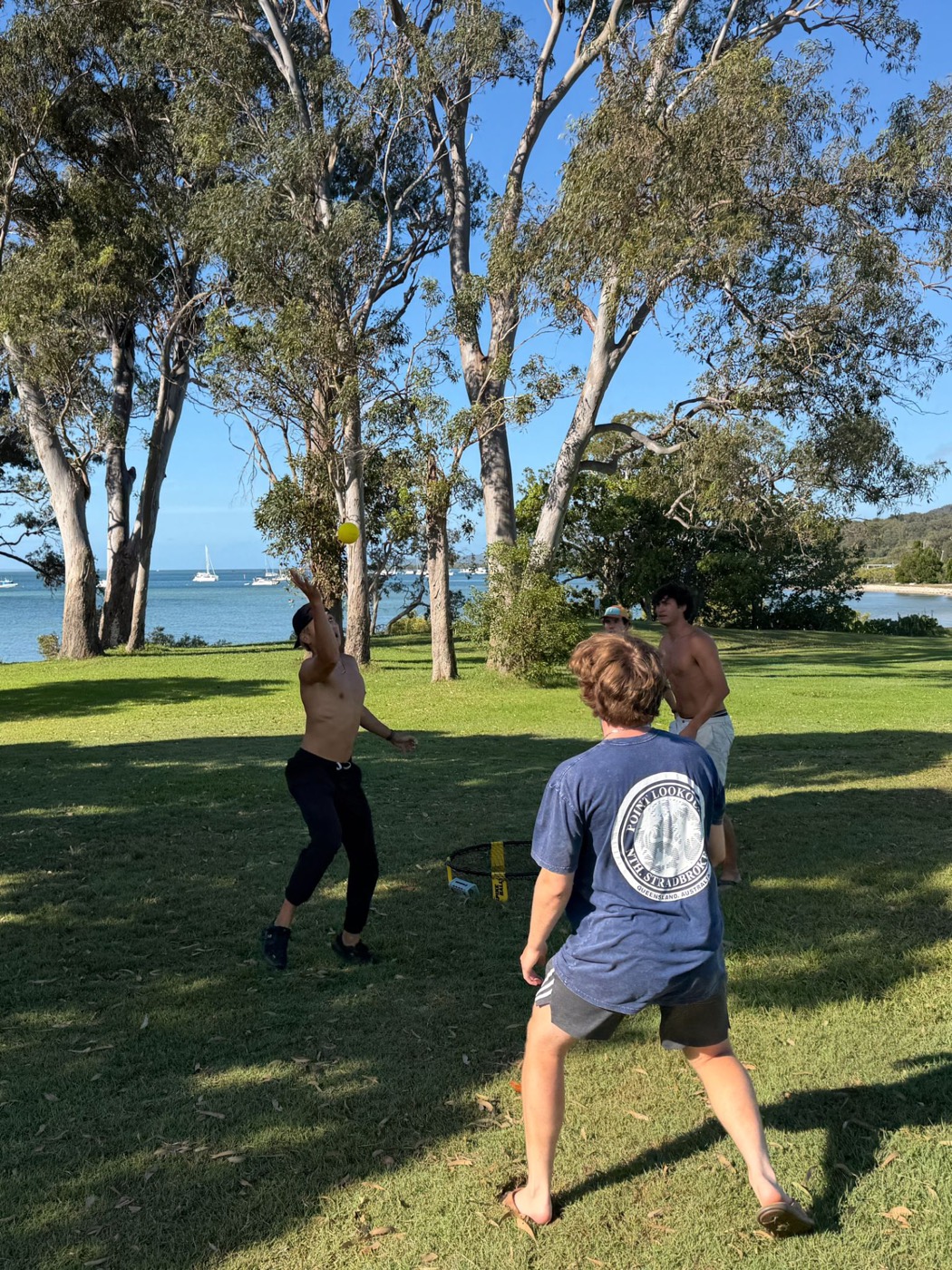
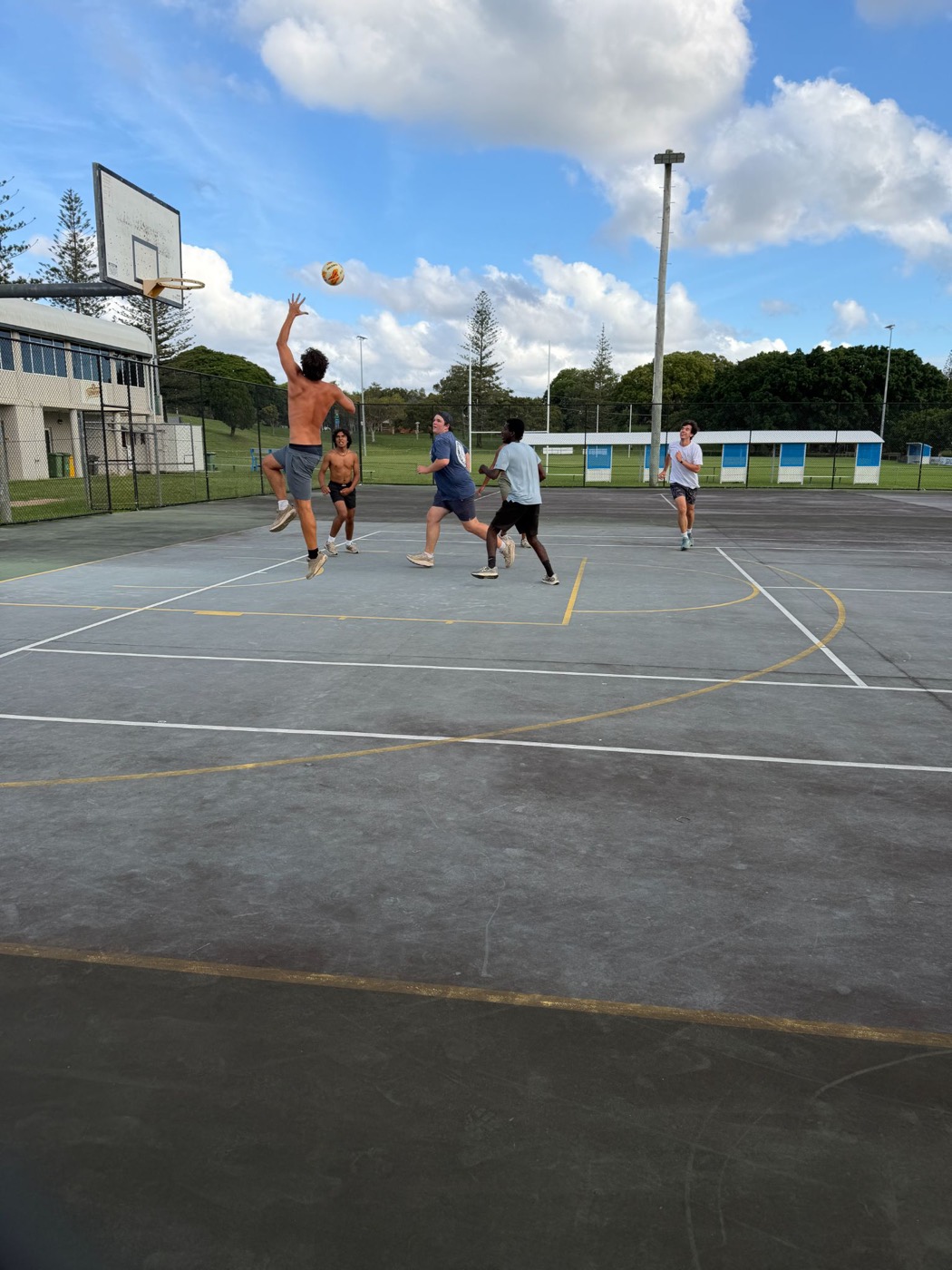
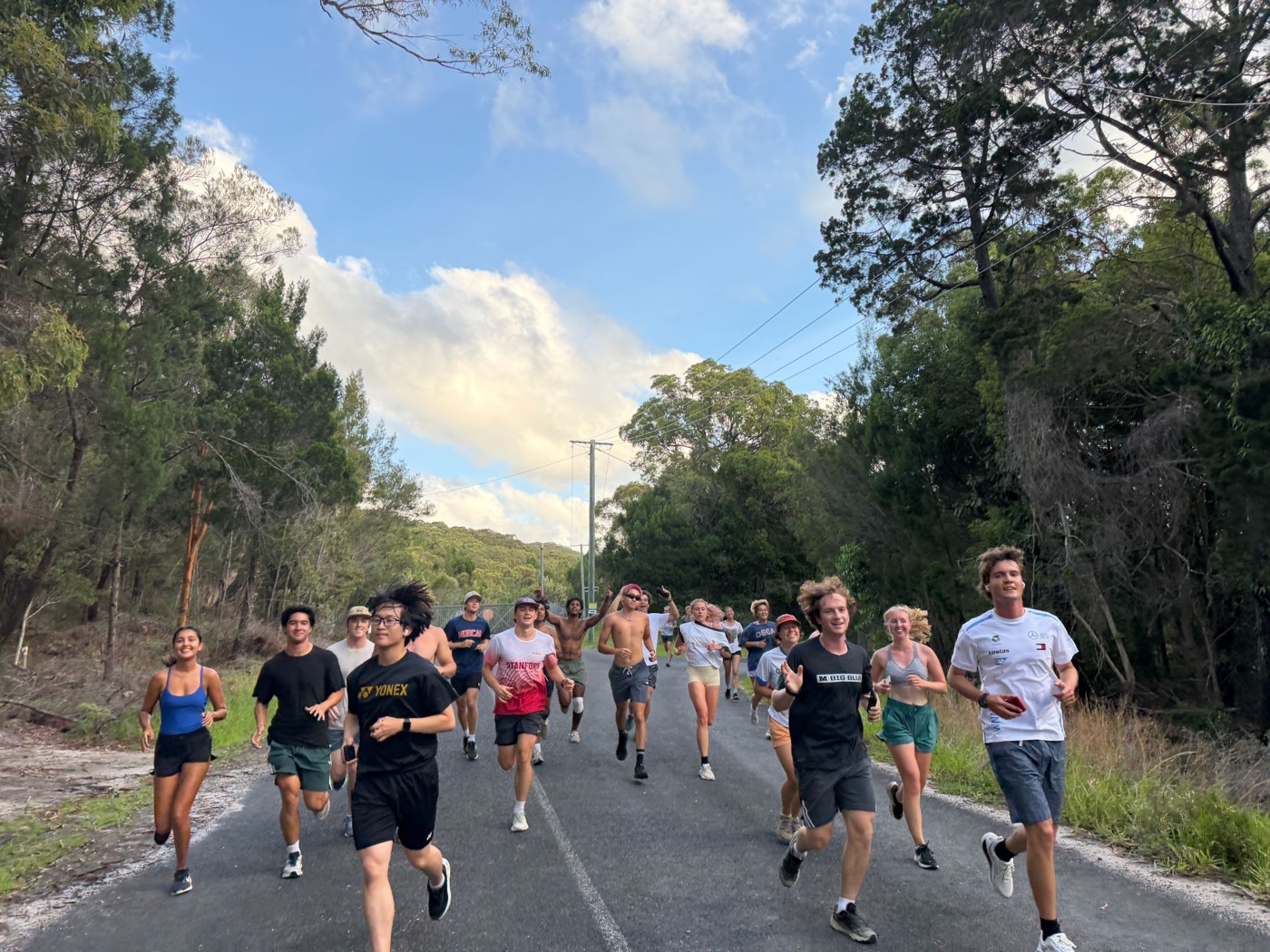
Our cohort fell into this phenomenon quickly. A group of us started running at each location we have been to. Playing Spikeball on the beachy sand and grass became our go-to way to unwind after a long day of lecture or class, and it often drew a curious crowd who wanted to join. Or some pick-up games of basketball kept us tired. We also found routines at local gyms or did workouts on the beach.

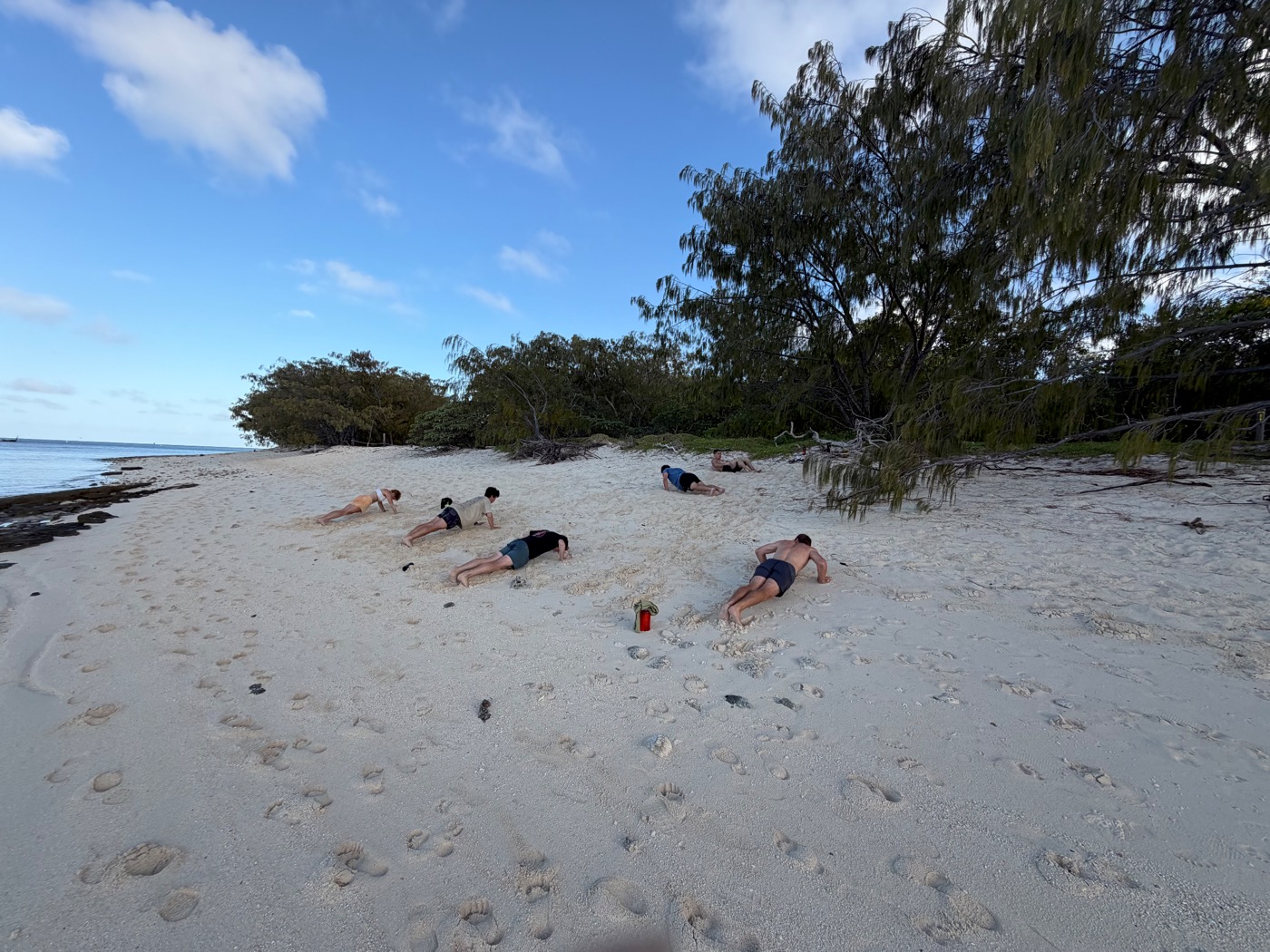
We started to do the Murph workout, which is a classic CrossFit workout named after Navy SEAL Lieutenant Michael P. Murphy, who passed away in Afghanistan serving the United States. This workout starts with a one-mile run, 100 pull-ups, 200 push-ups, 300 squats, and ends with another one-mile run. It is a great way to stay fit and build a community that likes to push each other while also remembering a veteran who sacrificed his life for our country.

The Murph
  1. 1 mile run
  2. 100 pull-ups
  3. 200 push-ups
  4. 300 squats
  5. 1 mile run

Personal reflection

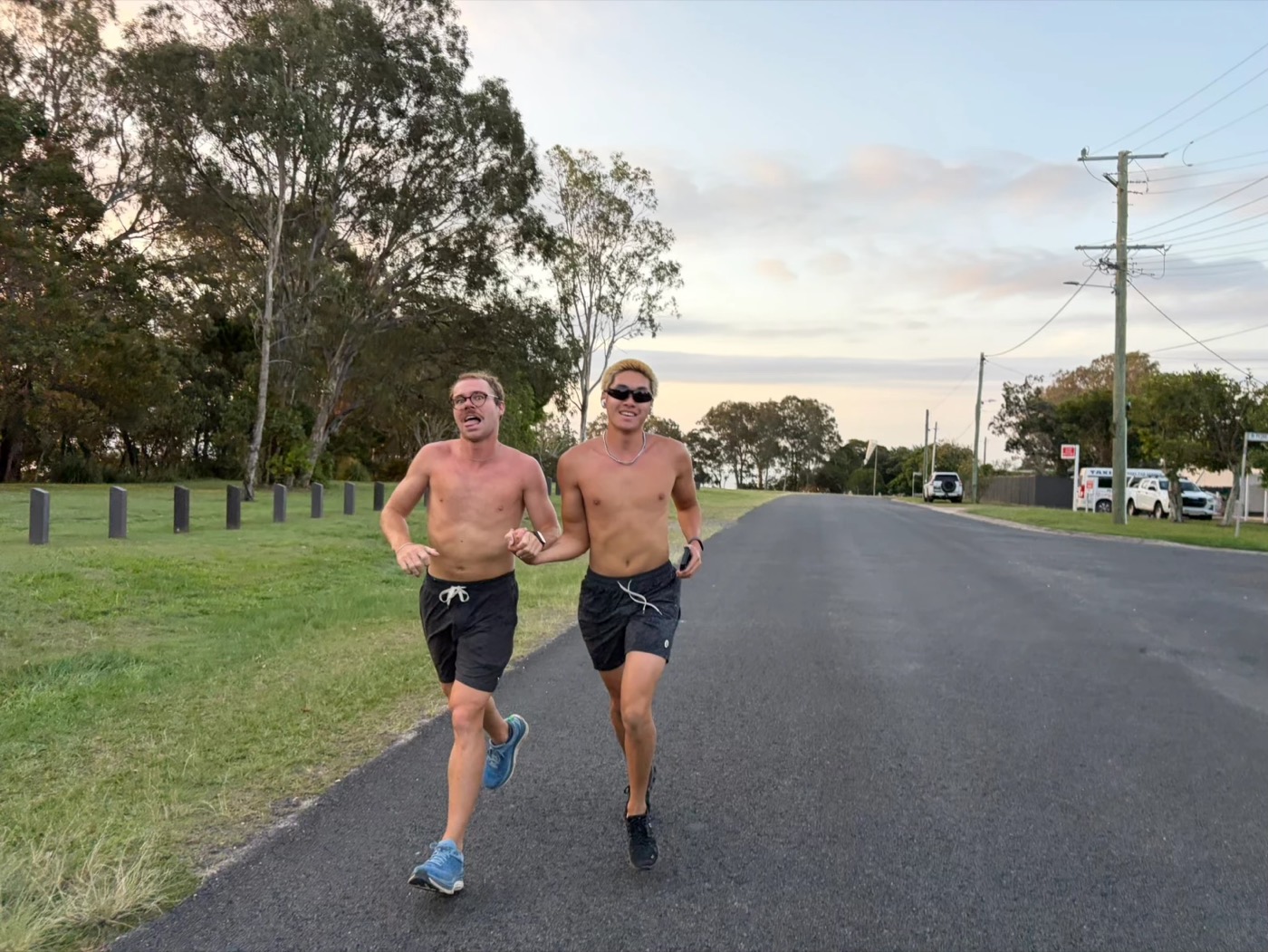
One of the first things I noticed in Australia was how early people got up and started their days. On my first morning run along the coast in Sydney, I expected empty paths. But I found it hard to run; the paths were full of runners, cyclists, and surfers. I remember how weird it felt for me, as though I just started a routine everyone else had been familiar with already. Within a few weeks I had become part of it, along with some of my peers in my cohort. Going on runs along the coast with friends in our cohort quickly became one of my favorite parts of the week. Running had always felt like a forced activity to me, but in Australia, running and hearing waves crashing with friends made me find myself wanting to go farther.

Spikeball, whether it’s on the sand or grass, became our go-to to unwind after class. Something that surprised me was how often people stopped to watch or ask about the game. Some of my easiest and most memorable conversations with Australians started over a game in the sand. Other days we went to a local gym or did workouts on the beach. Playing basketball (with a soccer ball) was a way to get into my routine as basketball was my main sport growing up.

Looking back, I think these moments taught me something about Australian culture that I couldn’t have learned in a classroom. At home in the U.S., exercise usually means driving to a gym, putting in my headphones, and getting it done by myself. But here in Australia, being active feels social, outdoors, and part of everyday life. It made me rethink how I want to approach fitness when I go home: less as something to check off and more as a way to connect with people and the places around me.

06

Food: Unique and Diverse

Description

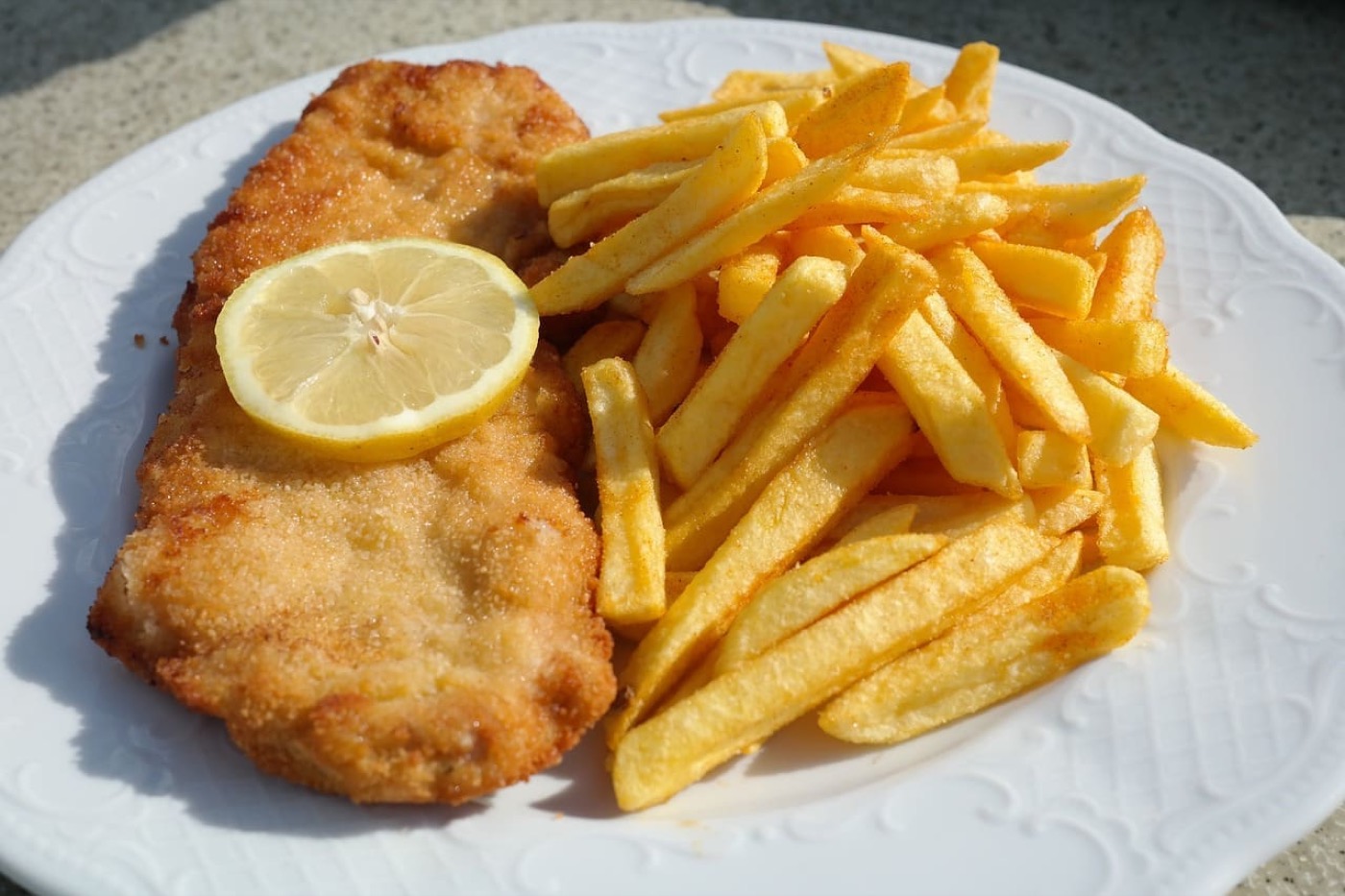
Food in Australia reflects the country’s history: British origins, many decades of migration, and a relaxed and outgoing way of eating. Every pub I go to, menus nearly always have the chicken schnitzel, or “schnitty,” a crumbed flattened chicken breast usually served with chips and salad. It reminds me of chicken tenders at home. Those chips are often covered with chicken salt, a savory yellow seasoning invented in Australia in the 1970s.

Then there’s Vegemite, the dark, salty yeast spread first made in Melbourne in the 1920s, which is usually spread thinly on buttered toast. Morning and afternoon tea, a tradition inherited from the U.K., is still incorporated into work and school days as short breaks for tea, coffee and something sweet.

When the White Australia policy ended in the 1970s, migration from Asian countries also reshaped the food scene in Australia. Asian cuisines such as Vietnamese, Chinese, Thai, Malaysian, Korean, Japanese and Indian food are now part of everyday Australian foods.

Personal reflection

Food has been the one thing keeping me going and fueled up this trip. My first chicken schnitzel was at a local pub, and I couldn’t understand why something so similar to chicken tenders back at home was so amazing until I took a bite. Chicken salt was an even bigger discovery for me. I’d never thought plain chips needed more seasoning, but now regular salt feels like it’s missing something.

Vegemite was a whole new story, maybe a bad one for me. It reminds me of the taste of soy sauce. I made the classic mistake of spreading it on too thick on my morning toast, and the salty, bitter taste was a shock. Once a local showed me to use just a thin layer with plenty of butter, I came to appreciate it, even though I prefer not to have it ever since.

Morning and afternoon tea amazes me for a different reason; it is always something I look forward to in the day. In the U.S., breaks are always rushed or skipped altogether, with the hustle and work culture in America. Here in Australia, stopping for tea and a pastry feels like a small daily ritual that encourages people to slow down and talk to each other, and it’s something I would like to incorporate and bring home with me.

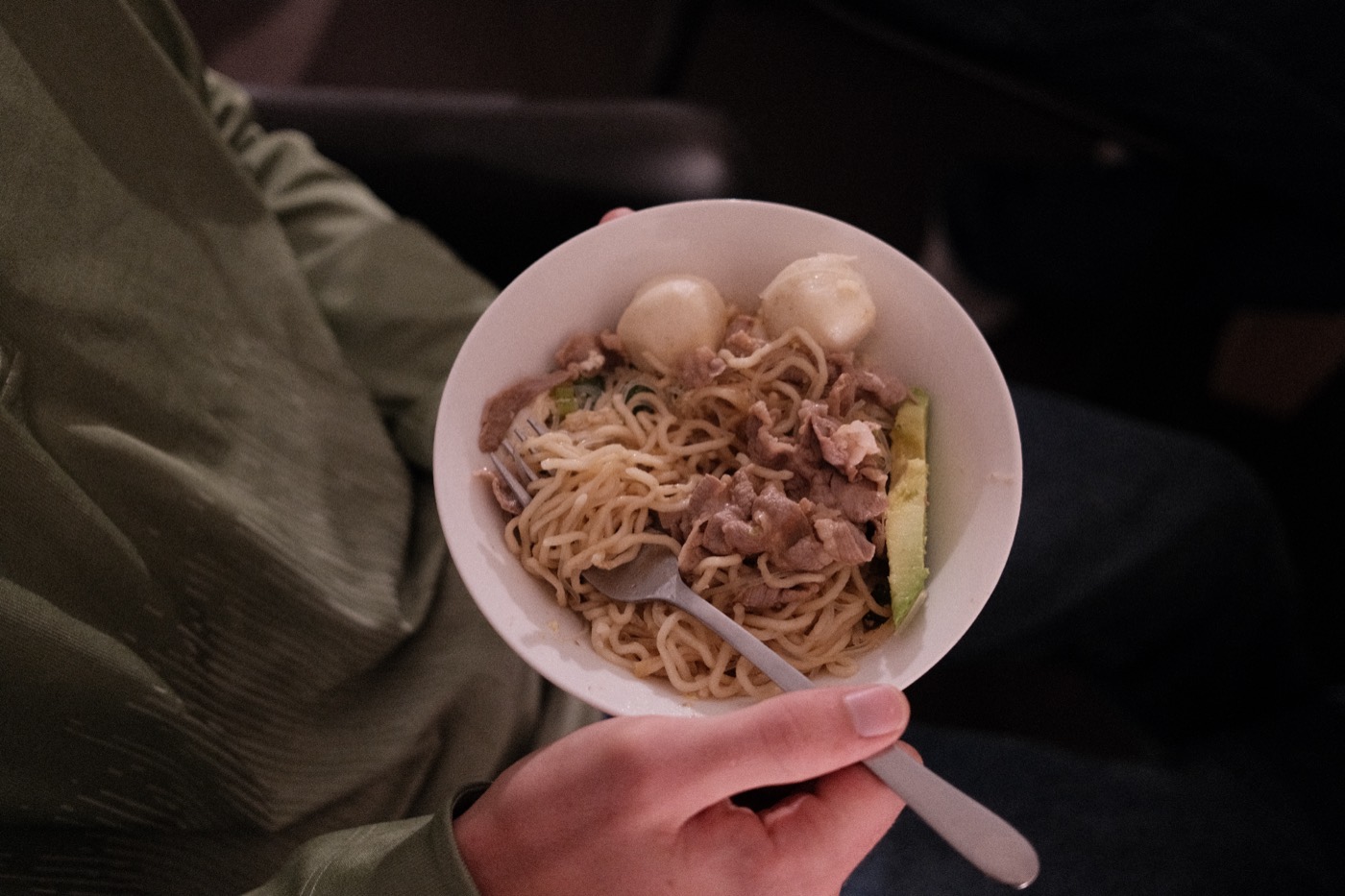
As an Asian American, what shocked me the most was how much Asian food there is here and how normal it is. Dumpling houses, pho restaurants, ramen shops, and Korean barbecue are everywhere, and eaten by everyone, not just Asian people. Back in the U.S., Asian food is common too, but it can still feel like it is a separate category of food. In Australia, it feels integrated into the national identity, reflecting how large the population is and how migration has shaped the country. Our cohort even had a hot pot night in Sydney where we cooked hot pot. Finding food that reminded me of home made me feel more comfortable here. It also showed me that Australia is in proximity and connected to Asia, in its geography and in its everyday culture.

07

Australian Outdoors

Description

Australia has some of the most unique and diverse landscapes in the world, and many of them are protected as World Heritage sites. Near Sydney, the Blue Mountains get their name from the blue haze from the eucalyptus oil over deep sandstone valleys. Off the Queensland coast, Heron Island is a coral hotspot on the southern Great Barrier Reef, where sea turtles nest and reefs can be seen just a few feet from shore.

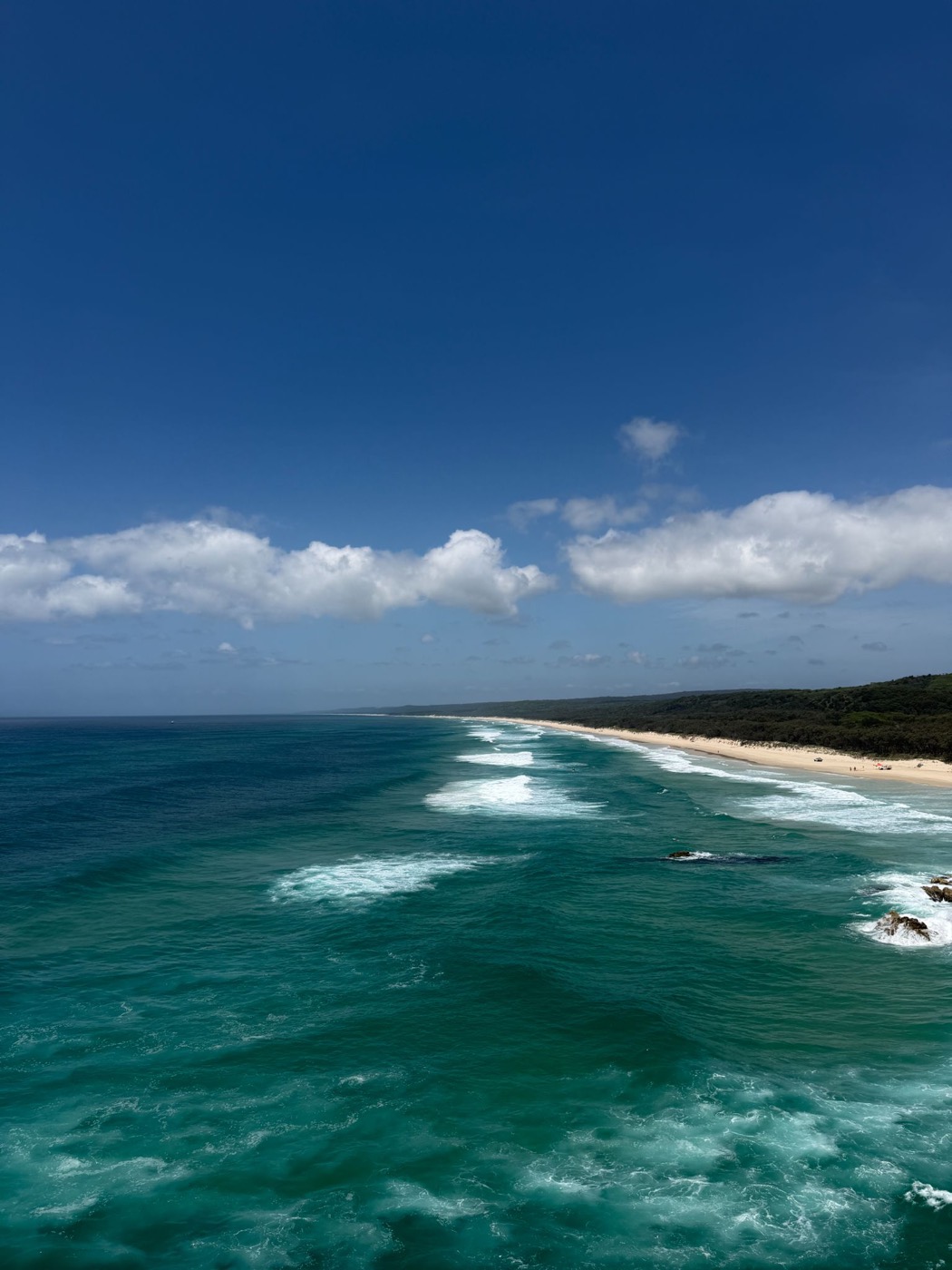
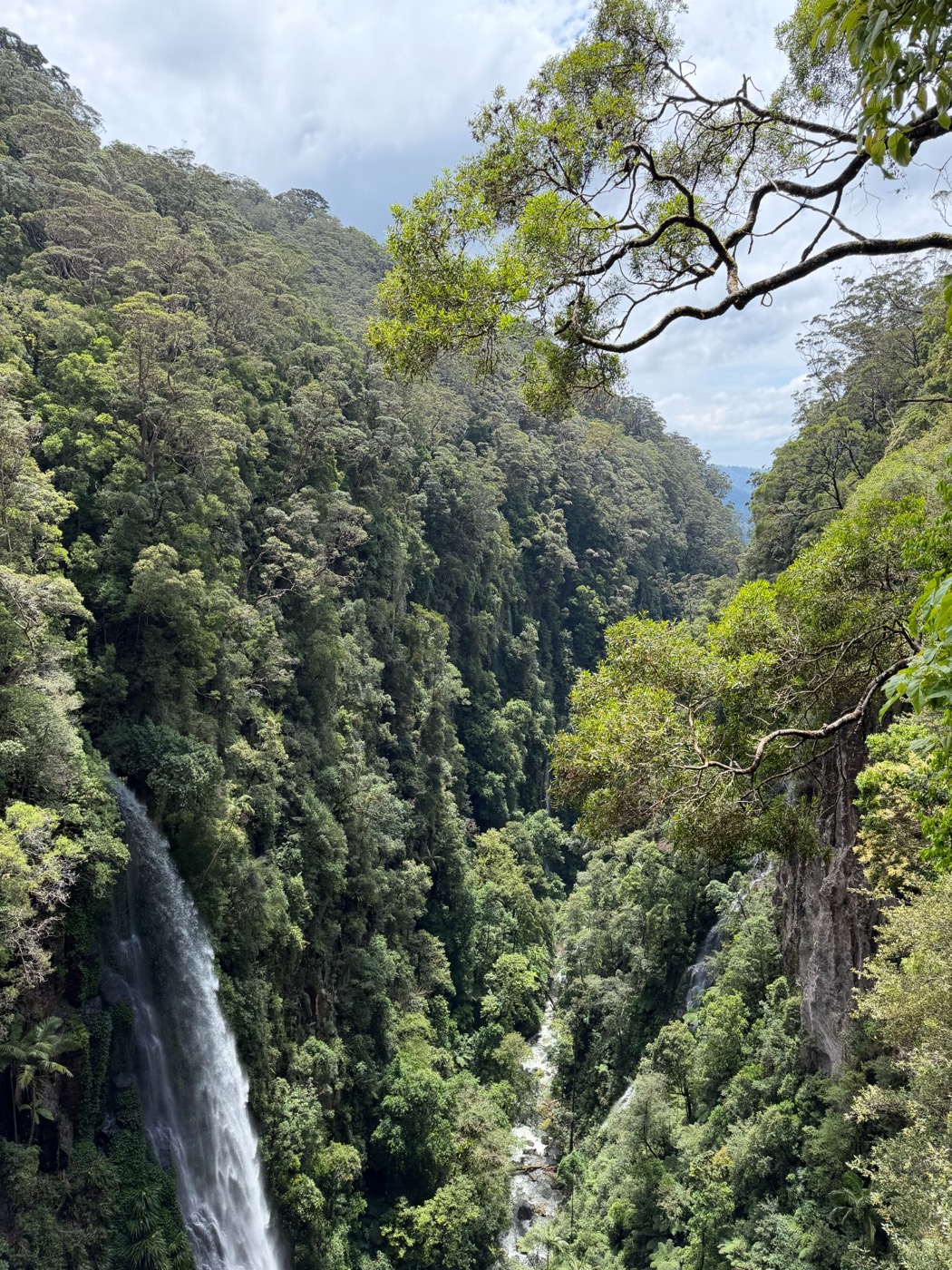
K’gari, the world’s largest sand island and Butchulla Country, supports rainforest growing on sand and freshwater lakes that sit above the water table, and wongari inhabit and wander around the island. Lamington National Park is part of the Gondwana Rainforests, with waterfalls and trees whose lineages are from the ancient supercontinent. On Minjerribah, Quandamooka Country and the second-largest sand island, mangroves and salt marshes make up the shores of Moreton Bay. Together all these places show how much Australia’s environments vary, and how long they have been taken care of by Aboriginal and Torres Strait Islander peoples.

Blue Mountainseucalyptus haze over sandstone valleys
Heron Islandreef a few feet from shore
K’garirainforest growing on sand
LamingtonGondwana rainforest & waterfalls
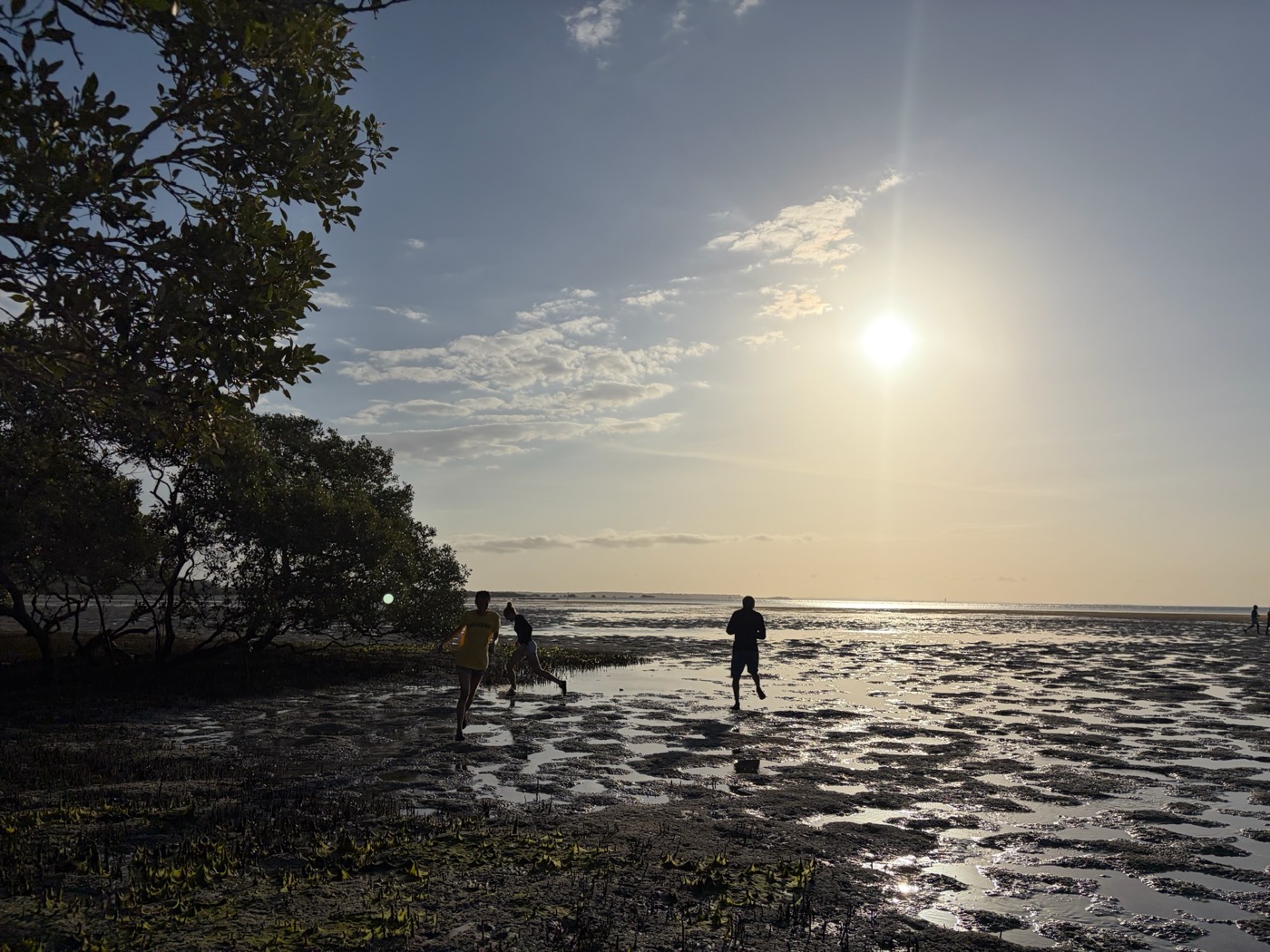
Minjerribahmangroves & salt marshes

Personal reflection

If I had to tell a friend back home what the biggest surprise of my time in Australia was, it would be how different every place we visited has been. Within a few months I’ve gone from a bustling city to the Great Barrier Reef, a rainforest, sand islands, and mangroves and salt marshes, and each one has felt like a different place.

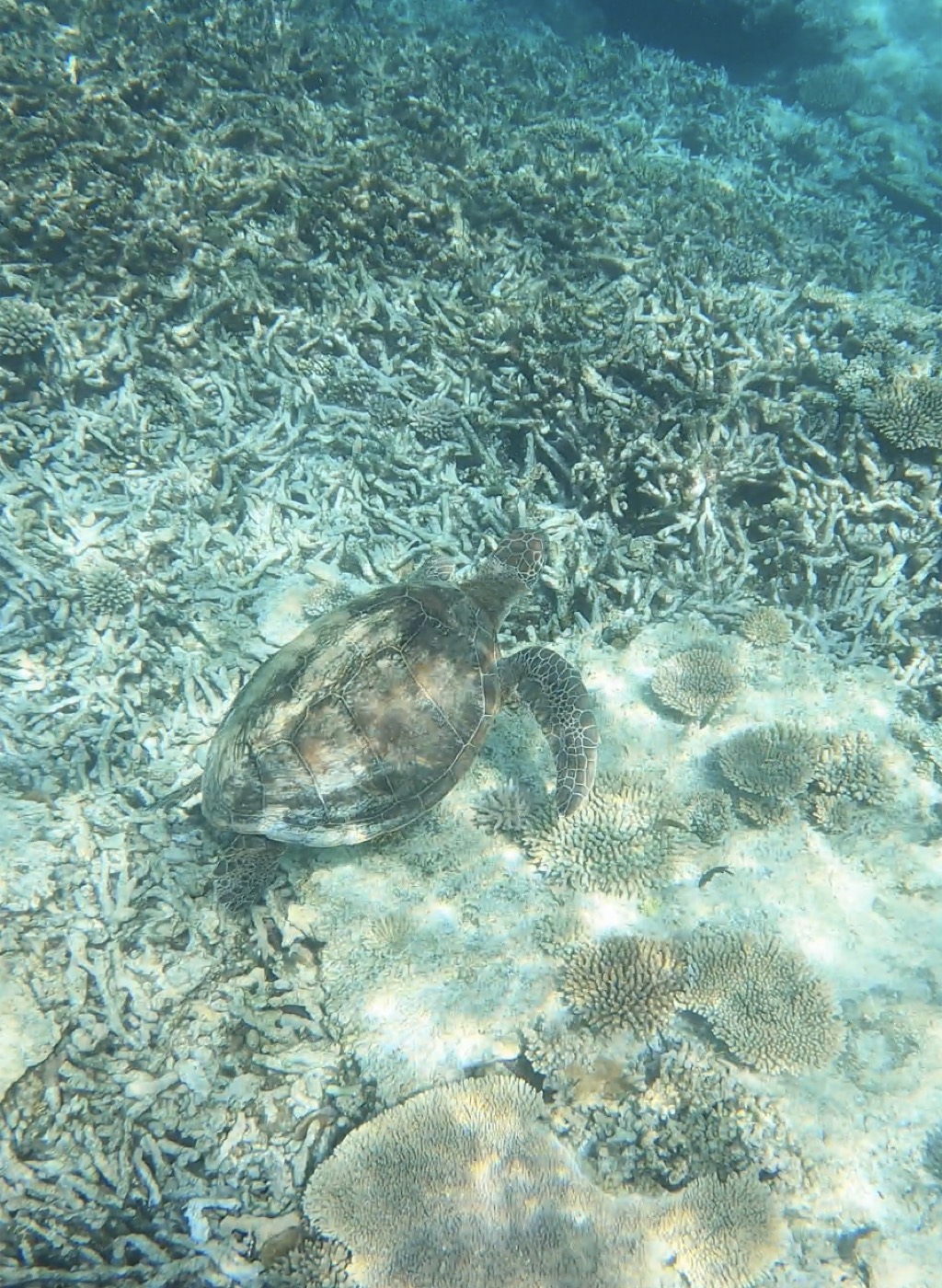
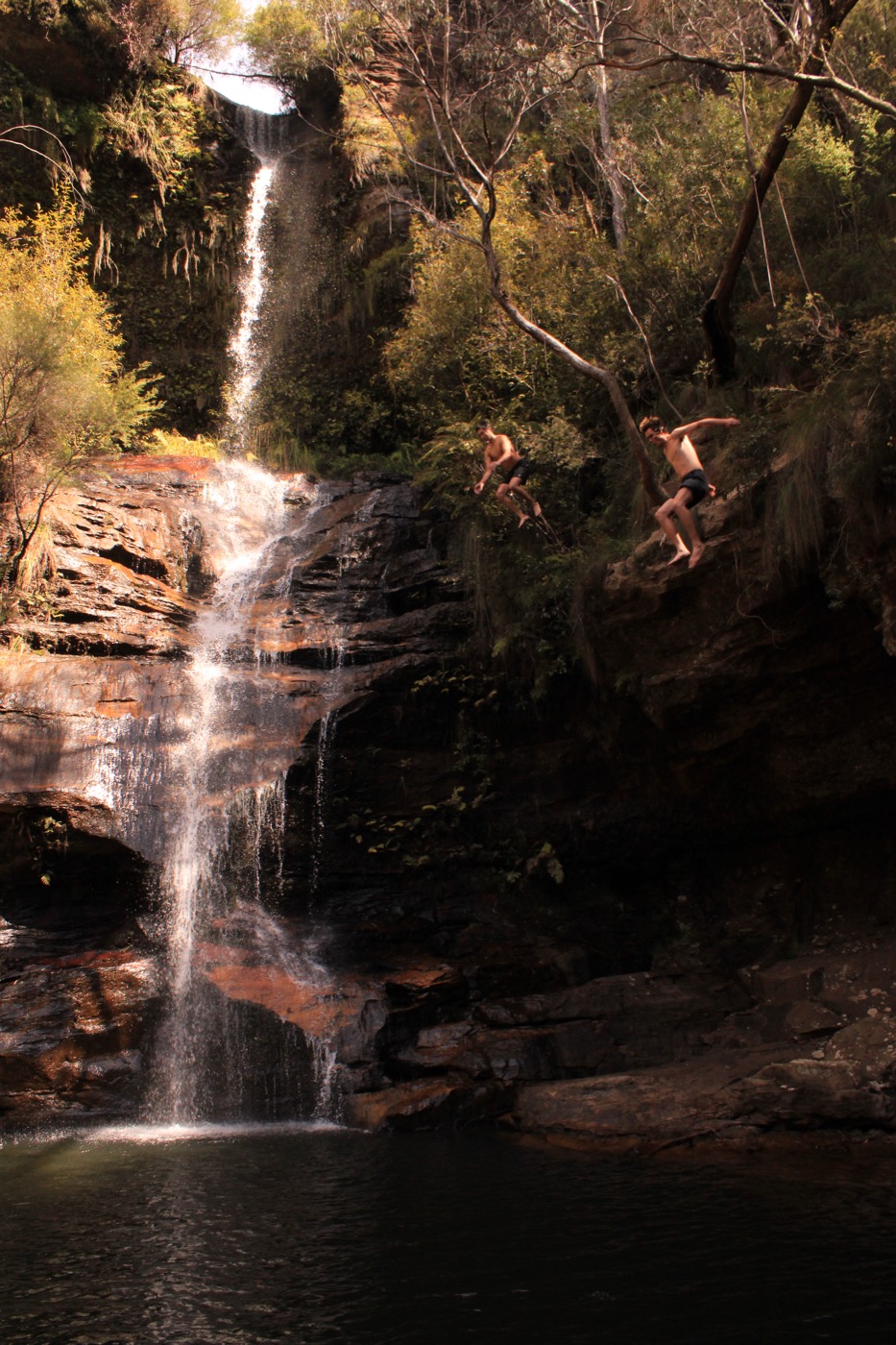
Looking out over the Blue Mountains in Katoomba, the valleys seemed to go on forever, and the blue haze made the view look almost unreal. Heron Island was the opposite: small, bright and full of life and stars. Snorkeling in the Great Barrier Reef and watching turtles in the water was something I had only ever seen in documentaries and online. On K’gari, it was surreal to see thick rainforest and a crystal-clear Lake Boorangoora could exist on an island made of only sand. Lamington was very wet, with thunderstorms and being surrounded by towering trees, waterfalls and the sound of birds all around us. On Minjerribah, walking through the mangroves and salt marshes showed me how much life exists in places I might have never thought about.

What made these places even more meaningful was learning that each one is Country to Aboriginal and Torres Strait Islander peoples, who have been on these lands for tens of thousands of years, taking care of Country. The first names like K’gari and Minjerribah reminded me that these landscapes carry stories much older than their English and colonial names.

These new places remind me of back at home in America. The United States has incredible landscapes too, like national parks such as Yosemite and the Grand Canyon. At home, though, I have never experienced so many different environments in such a short time, or spent so much time outdoors. In Australia, being outside has been part of my everyday life. Whether we were in the city, on the reef, in the rainforest or on a sand island, I kept feeling so fortunate to be here. My time here in Australia has given me a deeper appreciation for the natural world and a desire to protect it.

08

Welcome to Country

Description

  • Brenden KerwinGadigal Country
  • Uncle BobButchulla Country
  • Justine DillonKombumerri and Quandamooka Country
  • Matt BurnsQuandamooka Country

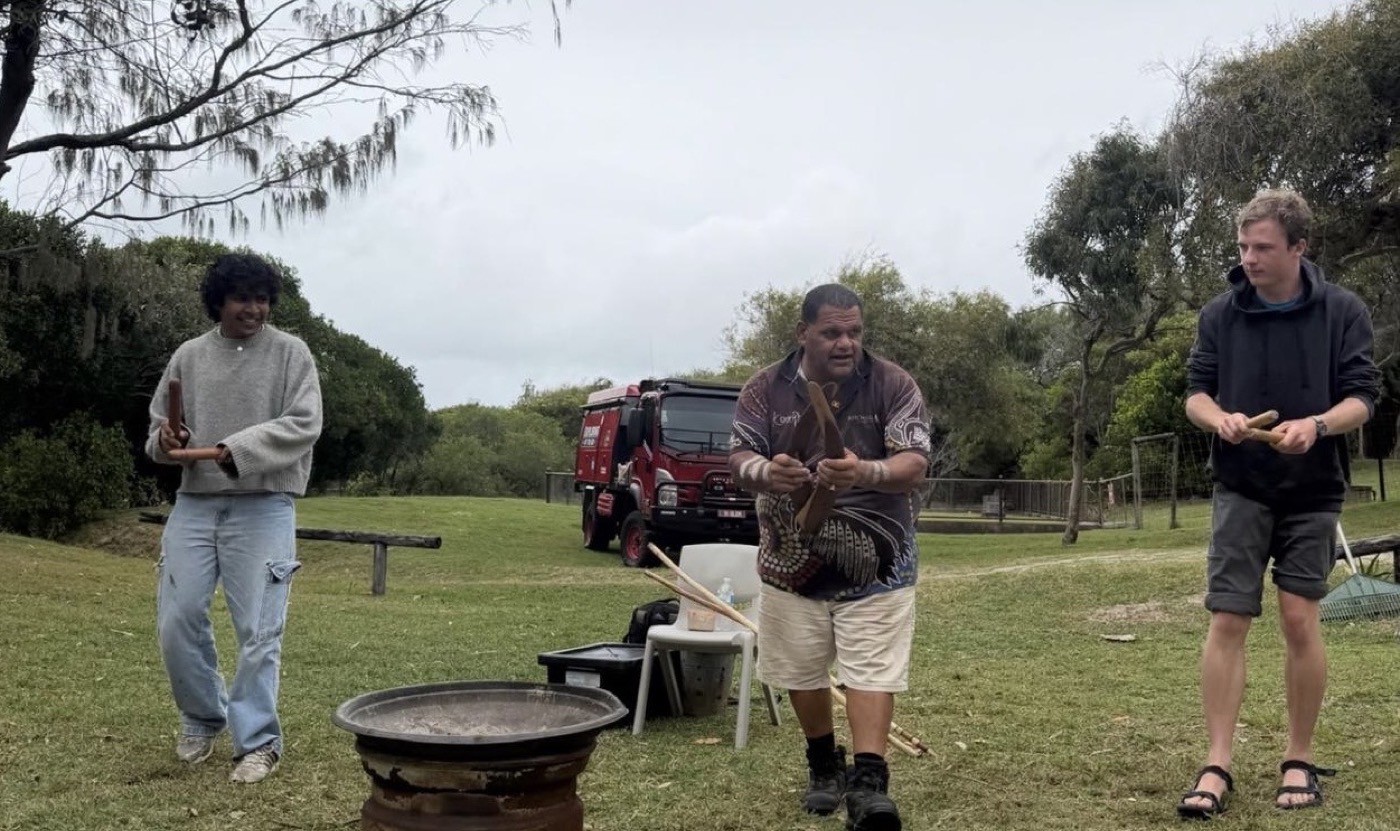
A Welcome to Country is a ceremony performed by Traditional Owners, Elders, and First Nations people to welcome visitors onto their land. It can be done with a talk, song, dance or smoking ceremony, and it reflects a practice that has been practiced for thousands of years, when people crossing into another group’s Country needed permission to enter and were offered safe passage. It differs from an Acknowledgement of Country, which anyone can give to show respect for the Traditional Owners of the place where they are.

Today, Welcome to Country typically starts to open events, ceremonies and gatherings across Australia. It is a reminder that land was never ceded and that Aboriginal and Torres Strait Islander peoples have cared for it for more than 65,000 years. Welcome to Country also gives visitors and tourists a chance to reflect on the history of colonization and promise to respect the land and its people.

The three Butchulla lores, shared by Uncle Bob
  1. What is good for the land comes first.
  2. Do not take or touch anything that does not belong to you.
  3. If you have plenty, you must share.

Personal reflection

Throughout the program, our cohort has been fortunate to be welcomed onto Country by several Aboriginal Australians, and each Welcome adjusted how I saw the places we visited. Welcome to Country reminds me that we are tourists and visitors, and that every beach, forest and island we step foot on belonged to its Traditional Owners long before colonization.

Brenden Kerwin from Gadigal Country in Sydney was honest with us about how much work is still left to do. He explained that Indigenous Australians are still not fully recognized and still to this day face poor treatment and inequality. Brenden reminded me that colonization is not only in the past; its effects still persist today.

Uncle Bob from Butchulla Country on K’gari asked us to reflect on the land, on Country and on colonization. He shared the three Butchulla lores: what is good for the land comes first; do not take or touch anything that does not belong to you; and if you have plenty, you must share. These three rules have been important to me, and I think the whole universe could learn from them.

Justine Dillon from Kombumerri and Quandamooka Country in Lamington spoke about how deeply significant totems are to her and how they link her to the natural world. She encouraged us to treat nature like a friend: be kind to it, walk barefoot to feel the ground, and never harm it. Taking off my shoes and feeling the grass made me feel more connected to the place I was standing.

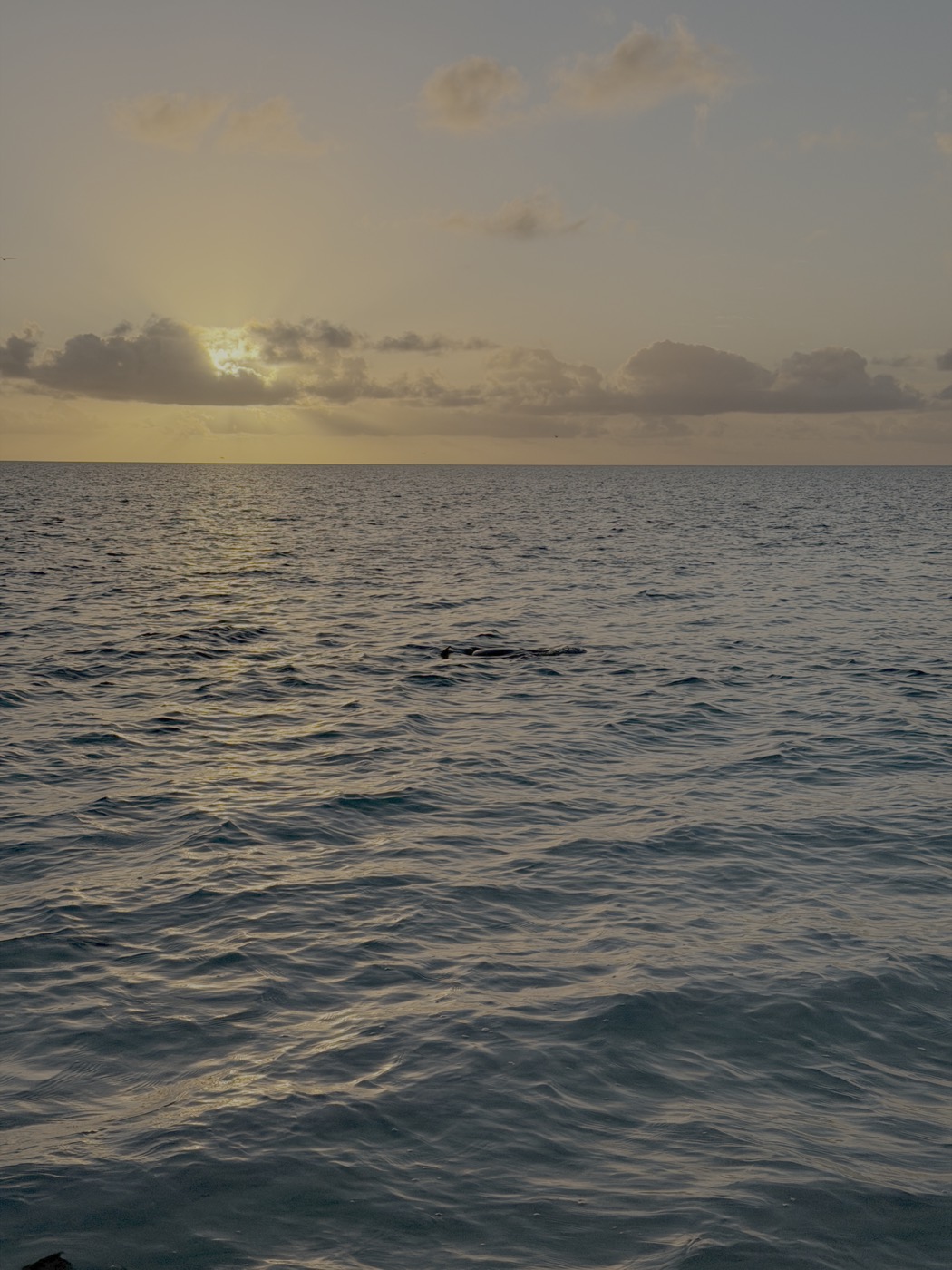
On Minjerribah, Matt Burns from Quandamooka Country told us how the Quandamooka people have cared for the land and sea for generations. They even built relationships with dolphins, which would herd fish toward the coast for them to catch, and the Quandamooka shared the catch with the dolphins in return. This story showed me that a relationship with nature is built on respect, not just use.

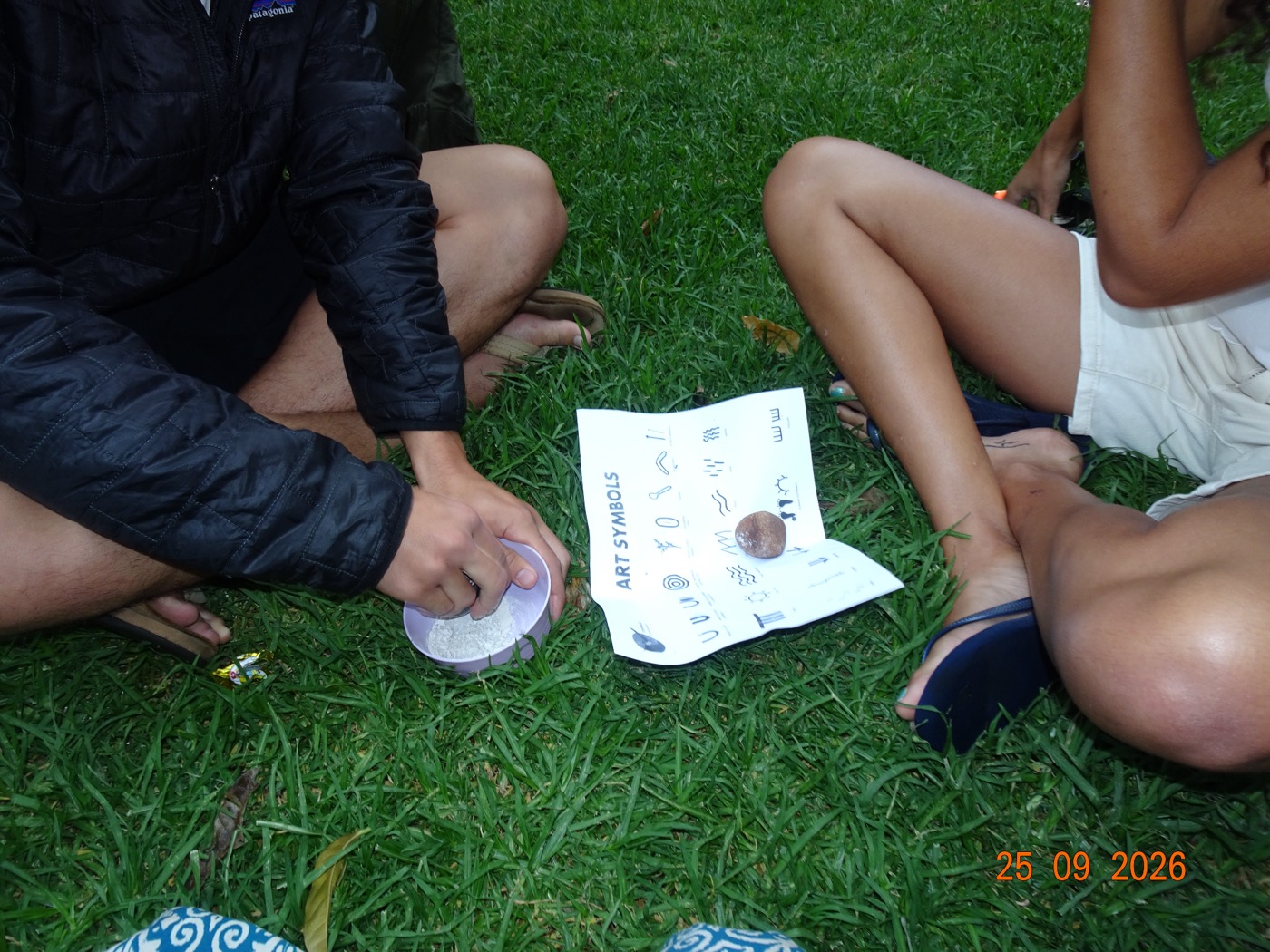
One ritual I remember most was being painted with ochre on my hand. Ochre is a natural clay pigment that Aboriginal peoples have used for tens of thousands of years in ceremony, art and storytelling. As the ochre was placed on my hand, I felt honored to take part in a tradition that has connected people to Country for so long. It showed me that being welcomed is a privilege, and that it comes with a responsibility to respect the land and its people.

In the United States, I never hear about Native nations whose land we live on recognized in this way. These Welcomes taught me that respecting a country means acknowledging its history and continuing to care for it. I hope to learn more and respect the Country when I get back home and learn about the Indigenous lands that I inhabit.

09

Budgy Smuggler

Description

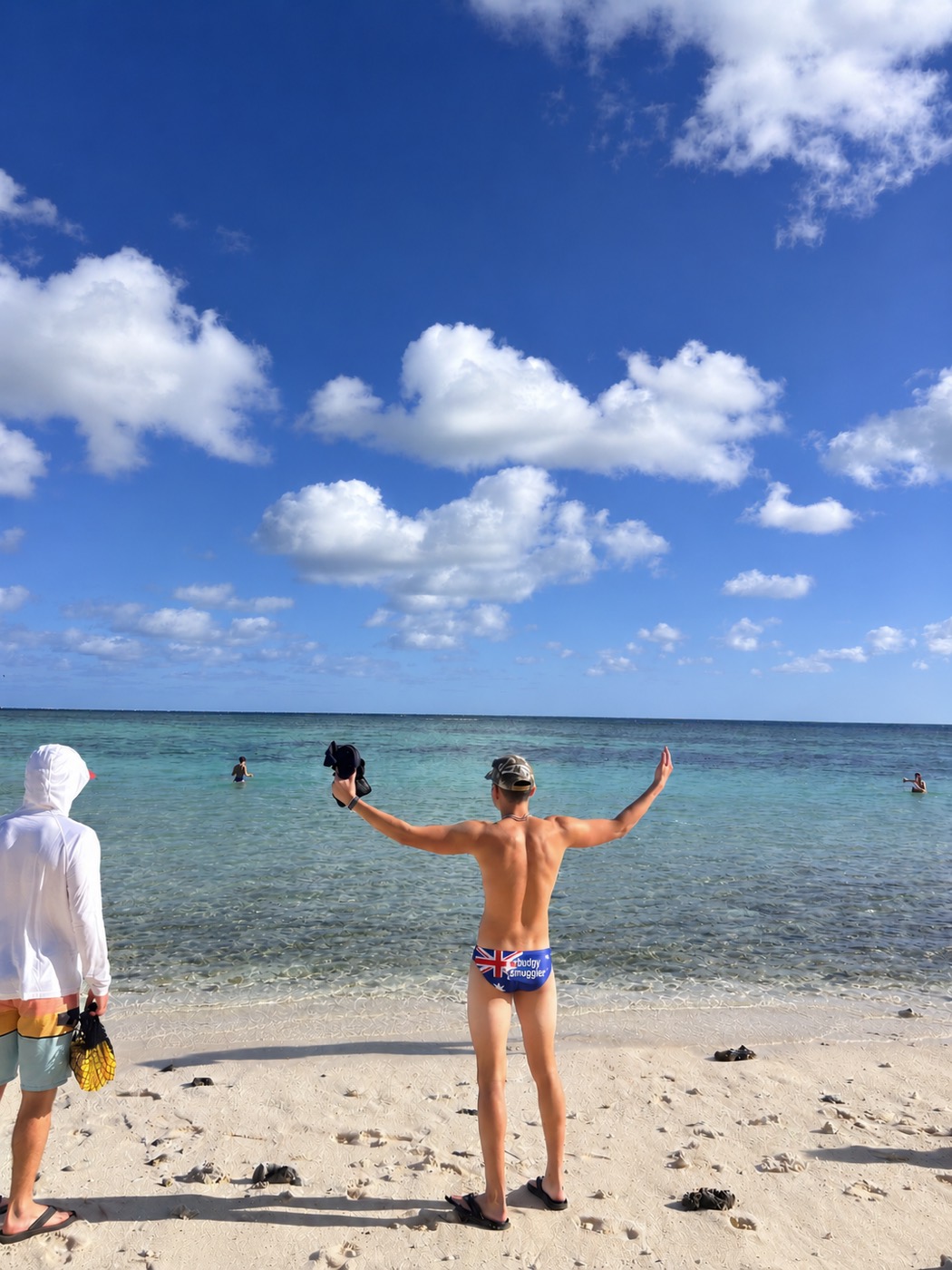
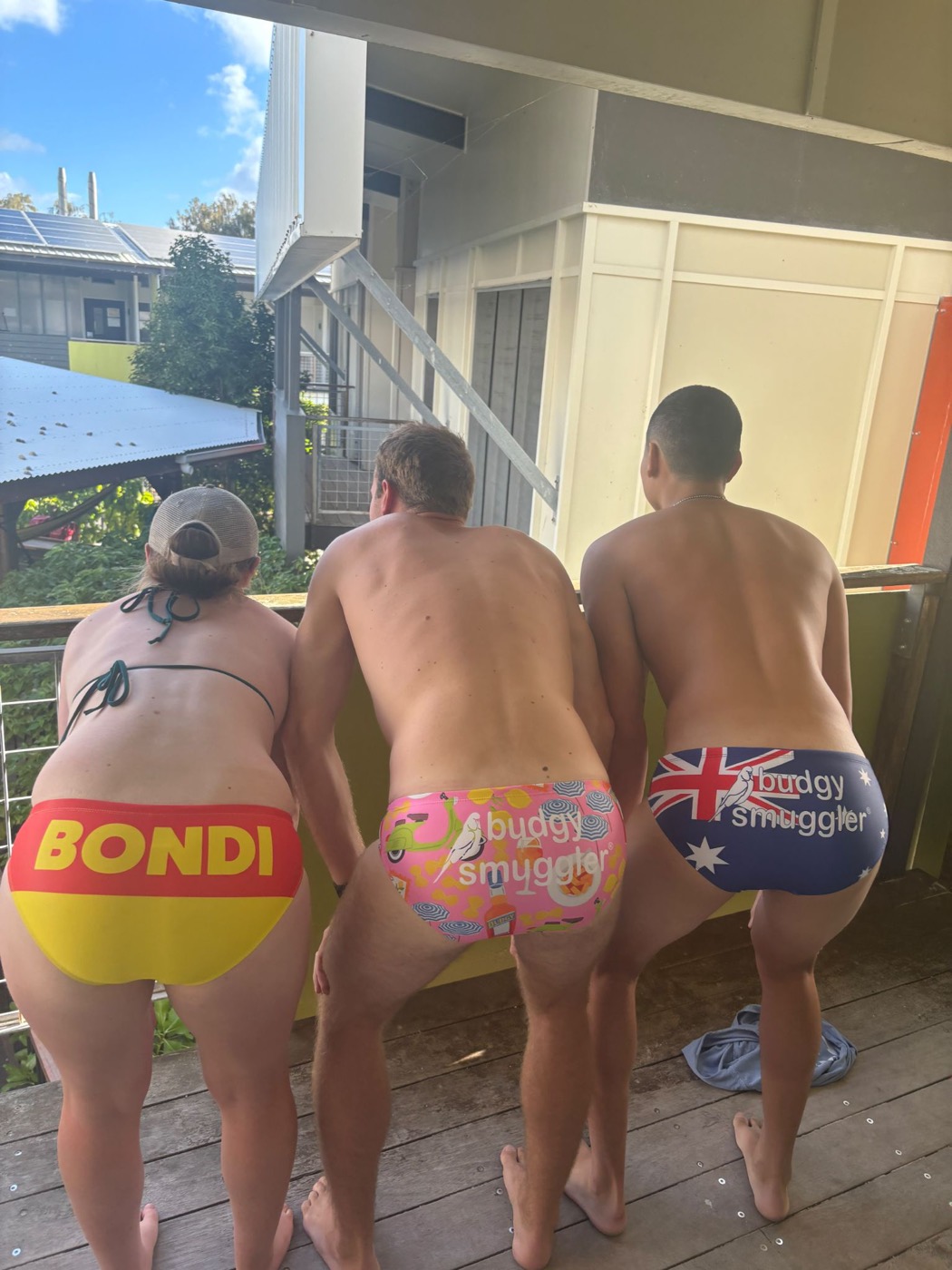
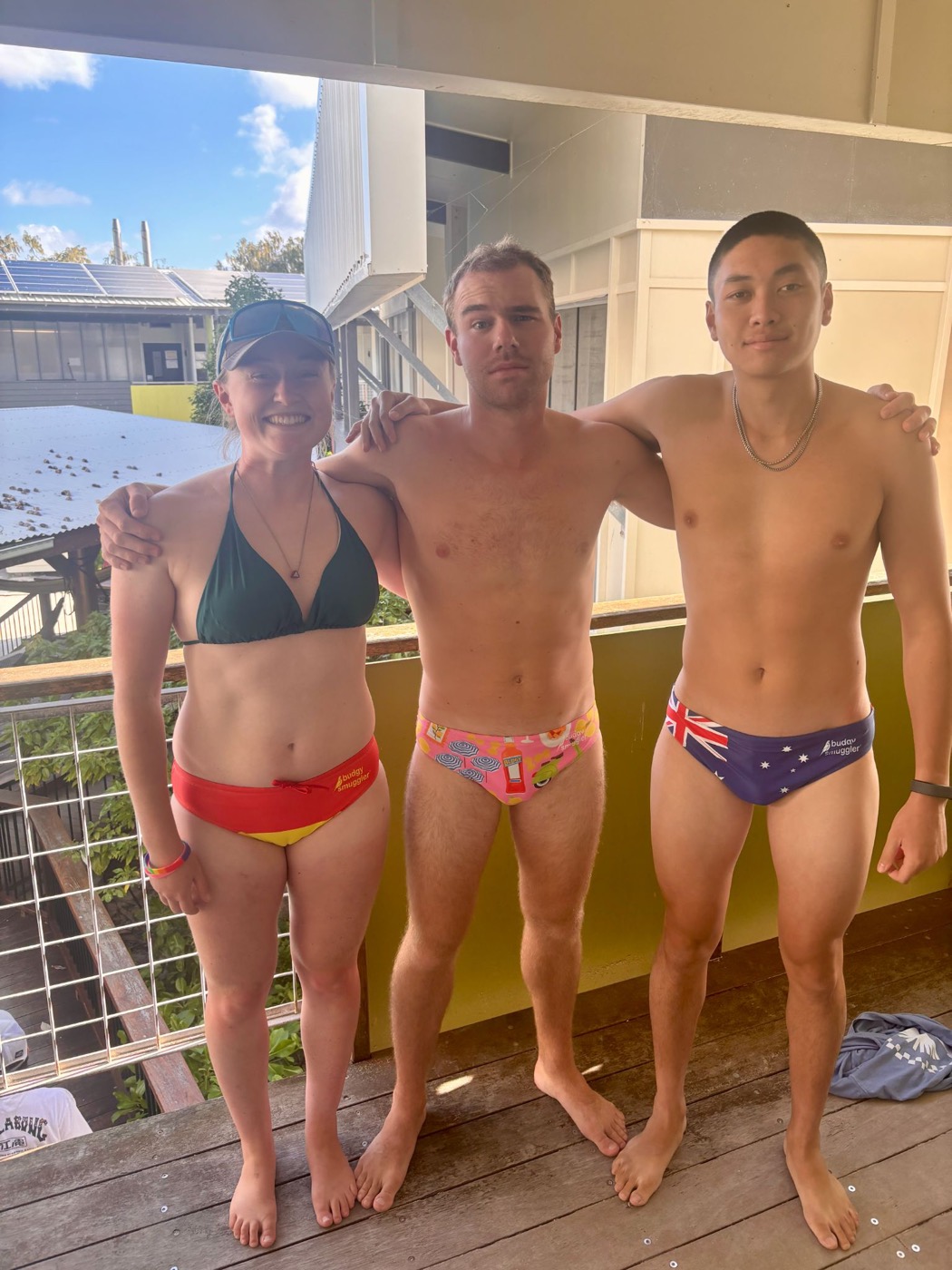
Budgy Smugglers are an Australian staple, inspired by the classic Speedos. From being worn by former Prime Minister Tony Abbott, lifeguards at the beach, to AFL players, and now our own BOSP Australia cohort. An article of clothing most famously worn at the beach, Budgy Smugglers are seen everywhere in Australia. They are designed with bright colors, bold patterns, and flags.

It is Aussie slang for men’s swim briefs, a cheeky comparison to smuggling a budgerigar, the small native parrot. The Budgy Smuggler brand was created in 2003 when a group of friends wanted to create a more fun version of Speedos; now, 23 years later, you can find them all over Australia. This swimwear company has revolutionized the clothing industry, showing that you can wear any sort of design, for any activity or even just daily wear.

Personal reflection

When I first arrived in Australia, I had no idea that Budgy Smugglers existed. I was surprised by how many people wore Budgy Smugglers at the beach. In the United States, most guys wear board shorts, and Speedos or swim briefs are mostly seen on competitive swimmers. Anyone wearing them at the beach would probably get a few interesting looks. In Australia, that’s not the case. Budgy Smugglers are completely normal, and no one thinks twice about them.

Initially I wasn’t sure if I would ever wear a pair. But after spending so much time at the beach with our cohort, I started to appreciate what they represent and depict. Australians seem far less self-conscious about their bodies, and the beach feels like a place where people come to have fun rather than worry about how they look. The bright colors and funny patterns add to that funny and playful vibe. Getting a pair for myself with the Australian flag felt like a small rite of passage, a way to embrace Australian beach culture instead of just watching it. It was also a lot of fun to see our cohort wearing them together, laughing at each other’s patterns.

Budgy Smugglers might seem like a funny topic for a cultural diary, but I think they say a lot about Australia. They reflect a culture built around the beach and the outdoors, where people don’t take themselves too seriously and confidence matters more than looking perfect. They are also a reminder of how much the beach shapes Australian identity. Back home, I am excited to wear Australian flag Budgy Smugglers to the beach even though I will get some weird looks, but they’ll always remind me of my time here and the carefree, sunny lifestyle I have come to love.

10

Mateship

Description

Mateship is one of the most important values in Australian identity. It is all about loyalty, equality, and friendship: the premise that you stand by your mates through tough times. It was created back in the convict and frontier period; people living in harsh, isolated conditions had to rely on one another to survive and persevere. Writers like Henry Lawson celebrated it in stories of bush workers in the 1890s. During World War I, the ANZAC legend made mateship a national ideal, from stories of soldiers at Gallipoli in 1915 who sacrificed their lives for one another.

Today mateship is incorporated in everyday life in Australia, from volunteer firefighters and beach lifeguards to neighbors helping each other out. It is connected to the Australian belief in a “fair go” for everyone. Historians have also pointed out that traditional ideas of mateship have often excluded women, Aboriginal and Torres Strait Islander peoples and migrants. This has sparked controversy and conversations about making it a more inclusive value.

Personal reflection

Before coming to Australia, I had no clue whatsoever what mateship meant. As my time abroad comes to an end, I’ve realized it means something so much deeper: showing up for each other, especially when things get tough.

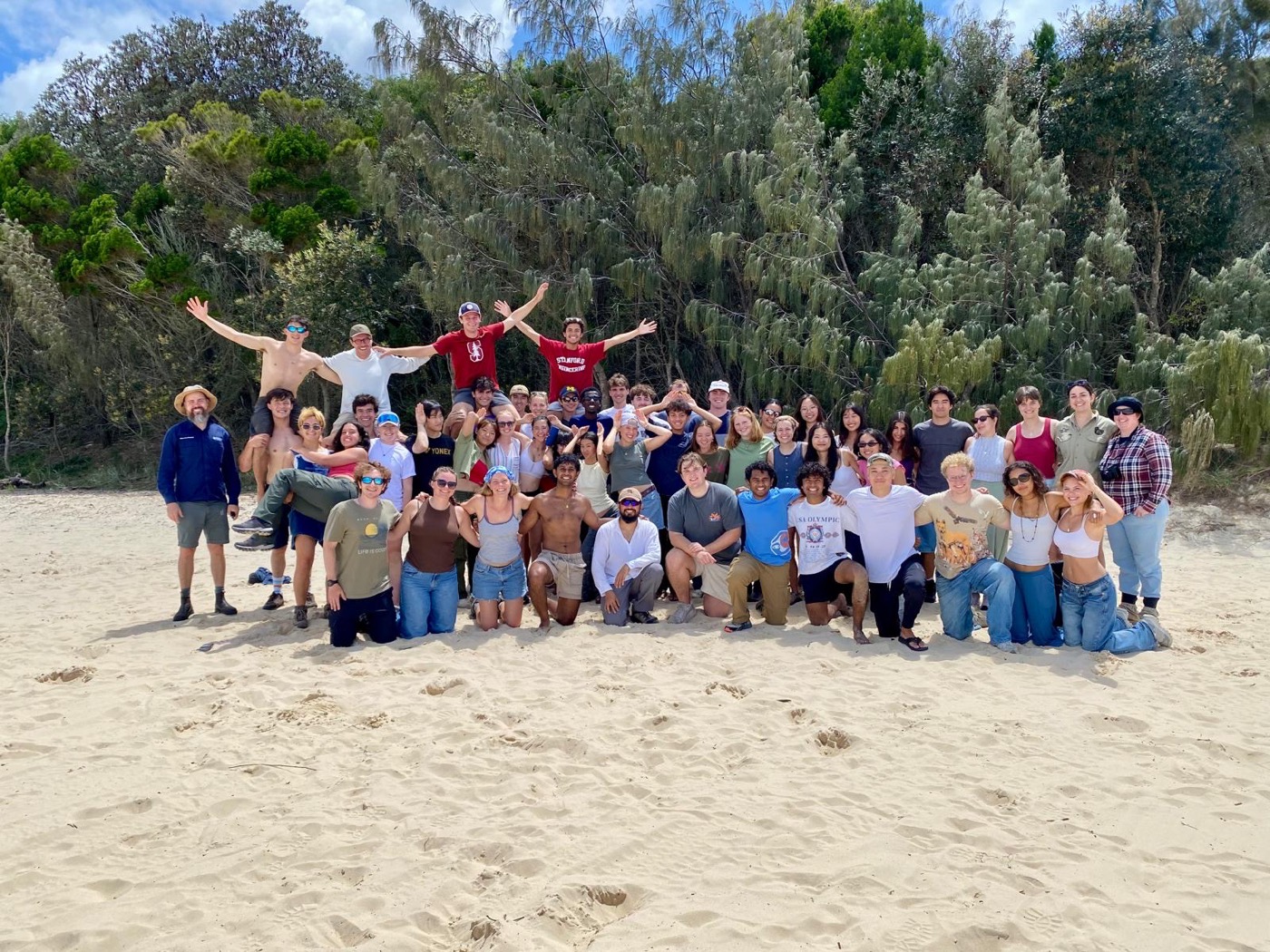
Looking back, I think our cohort has slowly adopted mateship into our program. When we first arrived in Sydney, many of us barely knew each other. Over time, through long fieldwork days, late study sessions, and shared adventures, we became a tight-knit group. We worked together on our field notebooks, studied for exams together, and helped each other whenever someone was struggling. We ran and worked out together, pushing each other to keep going when we felt like giving up. None of us had to be asked. Looking out for one another just became the way our group works.

The moment that best captures mateship for me happened at Frenchman’s Beach on Minjerribah. Shawn hurt his knee at the bottom of the beach, and there was no easy way back up the journey of stairs. Without hesitating, a friend and I carried him all the way to the top. It was exhausting, but no one complained, and by the end we were all laughing. Glad that Shawn did not tear his knee again. That moment showed me that mateship isn’t about making big gestures. It’s about making sure no one gets left behind.

Back at home in the U.S., I feel like U.S. culture emphasizes individual success more: standing out, working hard on your own, and getting ahead. That has its benefits, but in Australia I have seen how much stronger a group can be when people look after one another. It reminded me of the stories we learned about convicts, bush workers and ANZAC soldiers who depended on their mates to survive.

I am certain that I will take this lesson home with me. The friendships I’ve made here feel like more than friendships. They feel like mateship, and I will remember this for the rest of my life.